

Introduction
Healthy hair is often associated with confidence, vitality, and overall well-being. For many men, however, maintaining thick and healthy hair becomes increasingly challenging with age. Hair thinning, a receding hairline, and bald spots are concerns that affect millions of men around the world. As a result, countless people search for solutions that promise thicker hair, faster growth, or even complete reversal of baldness.
The reality is that hair health is influenced by many different factors. Genetics, hormones, nutrition, stress levels, sleep quality, scalp health, and lifestyle habits all play important roles in determining how healthy your hair remains over time. Understanding these factors is the first step toward making informed decisions that support long-term hair health.
Many people focus exclusively on shampoos and topical treatments while overlooking what happens inside the body. Healthy hair begins beneath the scalp. Hair follicles require nutrients, proper blood circulation, balanced hormones, and a healthy growth cycle to produce strong, healthy strands. When one or more of these factors become disrupted, hair growth may slow, shedding may increase, and thinning can become more noticeable.
In this comprehensive guide, we will explore how hair grows, what causes hair loss in men, the role of DHT in male pattern baldness, natural ways to support healthy hormone balance, and practical steps you can take to maintain healthier hair for years to come.
Understanding How Hair Grows
Before discussing hair loss, it is important to understand how healthy hair grows.
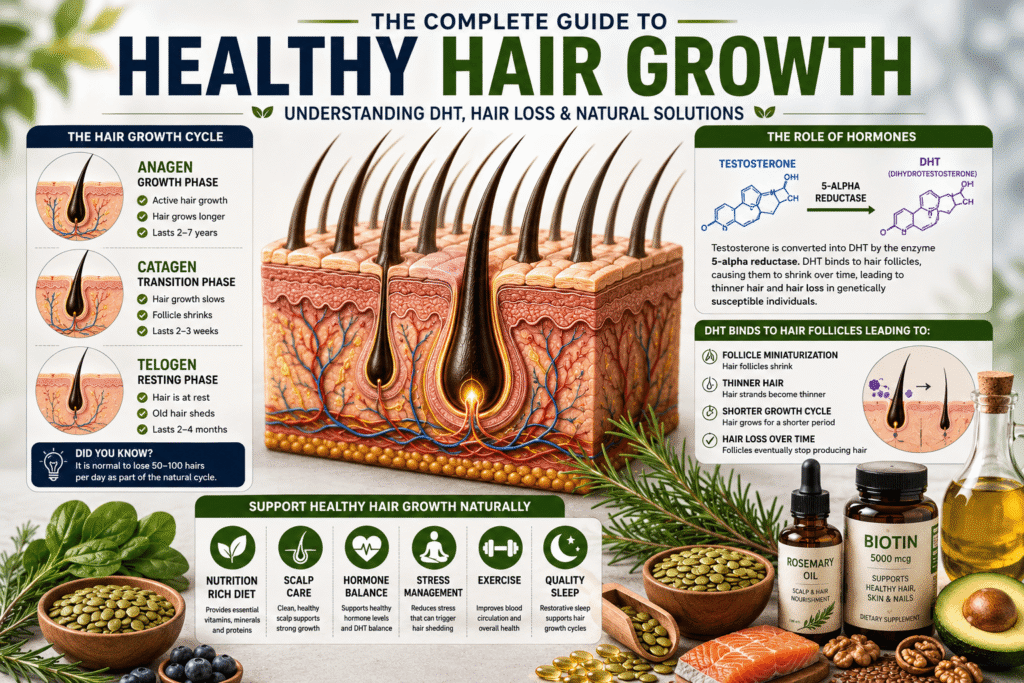
Each hair on your scalp develops from a tiny structure called a hair follicle. These follicles are living organs located beneath the skin that continuously cycle through growth, rest, and shedding phases throughout your life.
Hair growth occurs in three primary stages.
1. Anagen Phase – The Growth Stage
The anagen phase is the active growth period. During this stage, hair follicles continuously produce new hair cells, causing the hair shaft to lengthen.
This phase can last anywhere from two to seven years depending on genetics and overall health. People with longer anagen phases are often able to grow longer and thicker hair.
Approximately 85–90% of the hair on your scalp is usually in the anagen phase at any given time.
2. Catagen Phase – The Transition Stage
The catagen phase is a short transition period lasting several weeks.
During this stage, hair growth slows and the follicle begins preparing for a resting period.
Only a small percentage of scalp hairs are in this phase at any one time.
3. Telogen Phase – The Resting Stage
The telogen phase is the resting stage.
Hair remains in place while the follicle prepares to produce a new strand. Eventually, the old hair sheds naturally and a new hair begins growing from the follicle.
It is completely normal to lose between 50 and 100 hairs per day through this natural cycle.
Problems arise when follicles begin shrinking, growth phases shorten, or new hairs fail to replace the hairs that are shed.
What Is DHT?
One of the most discussed hormones in relation to male hair loss is DHT, or dihydrotestosterone.
DHT is a hormone derived from testosterone. It is created when an enzyme called 5-alpha reductase converts testosterone into DHT within the body.
Although DHT often receives negative attention because of its association with baldness, it actually serves several important functions.
DHT plays a major role in:
- Male puberty
- Facial hair growth
- Body hair development
- Development of male characteristics
- Reproductive health
Without DHT, normal male development would not occur properly.
The issue is not that DHT exists. The issue is how certain hair follicles respond to DHT.
How DHT Causes Male Pattern Baldness
Many men believe that baldness automatically means they have excessively high testosterone levels. In reality, this is usually not the case.
Male pattern baldness is largely related to follicle sensitivity rather than testosterone levels alone.
In genetically susceptible individuals, hair follicles become highly sensitive to DHT.
Over time, DHT binds to receptors within these follicles and gradually causes a process known as follicle miniaturization.
This means:
- Hair strands become thinner
- Hair grows more slowly
- Growth cycles become shorter
- Follicles shrink over time
- New hairs become weaker
- Hair density gradually decreases
Eventually, some follicles stop producing visible hair altogether.
This process usually follows a predictable pattern:
- Receding hairline
- Thinning at the temples
- Crown thinning
- Progressive hair loss over larger scalp areas
This condition is known as androgenetic alopecia, commonly referred to as male pattern baldness.
Why Do DHT Levels Increase?
Many people assume that DHT levels suddenly rise because of one specific cause. The reality is more complex. DHT production is influenced by several factors.
1. Genetics
Genetics remains the most significant factor.
Some men naturally produce higher levels of DHT, while others inherit follicles that are more sensitive to normal DHT levels.
This is why male pattern baldness often runs in families.
2. Aging
Hormonal changes occur naturally as men age.
These changes can affect how testosterone is converted into DHT and how follicles respond to hormonal signals.
3. Obesity and Excess Body Fat
Excess body fat can influence hormone regulation.
Higher body fat percentages are often associated with increased inflammation and altered hormone balance, which may contribute to overall hair health challenges.
4. Chronic Stress
Stress does not directly increase DHT in all cases, but chronic stress can disrupt hormone regulation throughout the body.
Long-term stress may contribute to increased shedding and weaker hair growth cycles.
5. Poor Lifestyle Habits
Poor sleep, excessive alcohol consumption, smoking, nutritional deficiencies, and a sedentary lifestyle may all negatively affect hormone balance and overall scalp health.
The Most Common Causes of Hair Loss in Men
While DHT is a major contributor to male pattern baldness, it is not the only cause of hair loss.
Several factors may contribute to thinning hair.
Nutritional Deficiencies
Hair follicles require a constant supply of nutrients.
Deficiencies in important nutrients can affect hair growth.
Key nutrients include:
1. Protein
Hair is primarily composed of keratin, which is a protein.
Without adequate protein intake, hair growth may suffer.
Excellent sources include:
- Eggs
- Fish
- Chicken
- Turkey
- Greek yogurt
- Lentils
- Beans
2. Iron
Iron helps transport oxygen throughout the body.
Low iron levels may contribute to increased shedding and weaker hair growth.
3. Zinc
Zinc supports tissue repair and healthy follicle function.
4. Vitamin D
Vitamin D plays a role in regulating follicle health and growth cycles.
5. Omega-3 Fatty Acids
Healthy fats support scalp health and may help reduce inflammation.
Sources include:
- Salmon
- Sardines
- Walnuts
- Chia seeds
- Flaxseeds
Stress and Hair Loss
Many people underestimate the impact stress can have on hair health.
When the body experiences chronic stress, elevated stress hormones may disrupt normal hair growth cycles.
This can contribute to a condition known as telogen effluvium.
In this condition:
- More hairs enter the resting phase
- Shedding increases significantly
- Hair may appear noticeably thinner
Common stress-related triggers include:
- Financial pressure
- Relationship difficulties
- Major life changes
- Illness
- Sleep deprivation
Managing stress effectively may help support healthier hair growth over time.
Natural Ways to Support Healthy Hair Growth
Although no natural remedy can guarantee hair regrowth, several evidence-based lifestyle habits may support healthier hair and a healthier scalp.
1. Exercise Regularly
Regular exercise supports:
- Blood circulation
- Cardiovascular health
- Stress reduction
- Healthy hormone balance
Strength training combined with cardiovascular exercise can be particularly beneficial for overall wellness.
2. Improve Sleep Quality
Sleep is essential for recovery and hormone regulation.
Aim for:
- 7–9 hours of quality sleep
- Consistent bedtime routines
- Reduced screen exposure before bed
Healthy sleep habits support many biological processes involved in hair growth.
3. Eat a Nutrient-Dense Diet
Focus on whole foods such as:
- Lean proteins
- Vegetables
- Fruits
- Healthy fats
- Whole grains
- Nuts and seeds
Hair follicles depend on proper nutrition to function optimally.
4. Manage Stress
Helpful stress-management strategies include:
- Walking
- Meditation
- Deep breathing exercises
- Strength training
- Spending time outdoors
- Journaling
Lower stress levels may support healthier hair growth cycles.
5. Scalp Massage
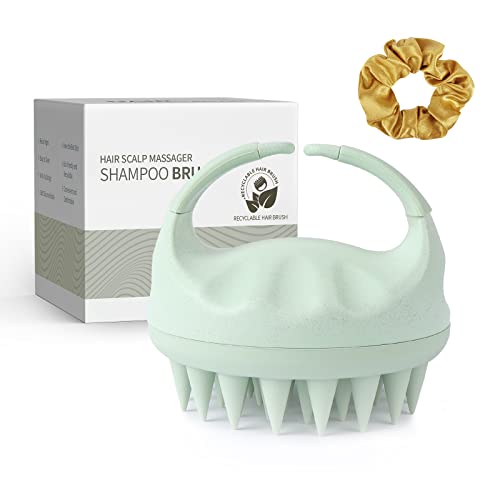
Gentle scalp massage may improve blood flow to the scalp and create a healthier environment for hair follicles.
Many people incorporate a few minutes of scalp massage into their daily routine.
Natural Ingredients Commonly Used for Hair Support
1. Rosemary Oil
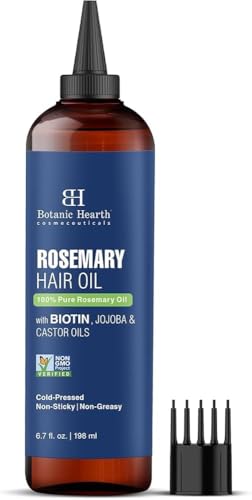
Rosemary oil has become increasingly popular among individuals seeking natural approaches to scalp care.
It is commonly used to support scalp health and improve overall hair-care routines.
Always dilute essential oils appropriately before applying them to the scalp.
2. Pumpkin Seed Oil
Pumpkin seed oil contains nutrients and plant compounds that are often included in hair-support supplements.
It is also rich in zinc and healthy fats.
3. Biotin
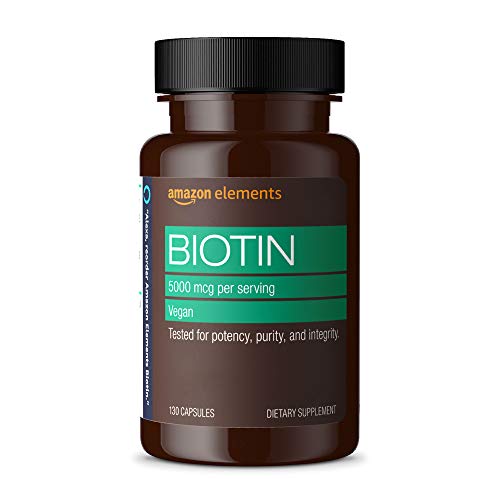
Biotin contributes to normal hair health and is frequently included in hair-growth supplements.
While biotin is not a miracle solution, adequate intake supports healthy hair structure.
Recommended Product Categories
The following product categories can complement a healthy hair-care routine:
- Biotin Supplements
- Rosemary Oil Hair Treatments
- Scalp Massagers
- Sulfate-Free Hair Growth Shampoos
- Hair & Skin Vitamins
- Pumpkin Seed Oil Supplements
- Silk or Satin Pillowcases
- Scalp Care Serums
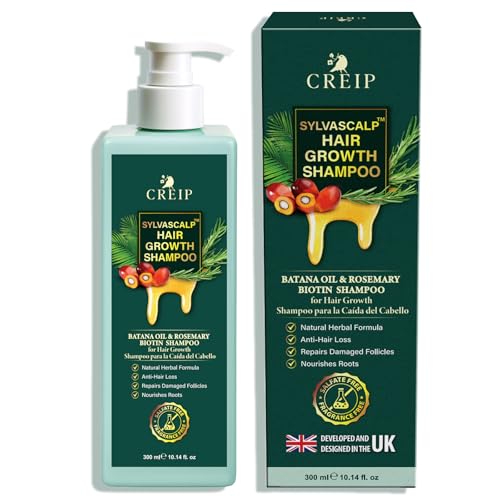
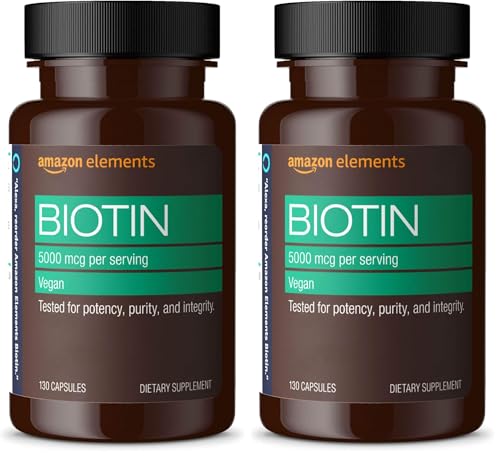



Remember that products work best when combined with healthy lifestyle habits.
Final Thoughts
Hair loss affects millions of men worldwide, and while genetics play a significant role, they are only one piece of the puzzle. Hair health is influenced by nutrition, hormones, stress management, sleep quality, scalp care, and overall wellness.
Understanding the role of DHT, supporting healthy hormone balance, eating a nutrient-rich diet, and maintaining consistent healthy habits can help create the best possible environment for stronger and healthier hair.
There is no overnight solution to hair loss. Meaningful improvements often require patience, consistency, and realistic expectations. However, investing in your overall health can provide benefits that extend far beyond your hair alone.
Stay Connected With Life Essentials By Anna
We hope this guide has helped you better understand hair health, hair growth, and the factors that contribute to hair loss in men. At Life Essentials By Anna, we regularly share carefully researched wellness tips, beauty advice, lifestyle guides, and product recommendations designed to help you look and feel your best.
Be sure to subscribe and explore more articles on our blog to stay updated with the latest health insights, self-care essentials, grooming guides, and practical solutions for everyday life. Whether you’re improving your wellness routine, upgrading your grooming habits, or discovering products that support your goals, we’re here to help every step of the way.
