

Introduction
Walk through the aisles of any pharmacy or grocery store, and you’ll find shelves filled with multivitamin supplements promising better health, increased energy, stronger immunity, healthier skin, and improved overall well-being. With so many options available, it’s natural to wonder whether multivitamins are truly necessary or simply another health trend.
The truth is that vitamins play an essential role in almost every function of the human body. From producing energy and supporting the immune system to maintaining healthy bones, muscles, skin, and brain function, these micronutrients are required every single day. Unlike carbohydrates, proteins, and fats that provide calories, vitamins work behind the scenes by helping your body perform countless biological processes that keep you healthy.
Ideally, a balanced diet rich in fruits, vegetables, whole grains, lean proteins, healthy fats, nuts, and seeds should provide most of the vitamins your body needs. However, modern lifestyles often make this difficult. Busy schedules, processed foods, restrictive diets, medical conditions, aging, and certain medications can all contribute to nutritional gaps that leave many people wondering whether a daily multivitamin could help.
It’s important to understand that multivitamins are supplements, not replacements for healthy eating. No tablet or capsule can replicate the complex combination of fiber, antioxidants, healthy fats, plant compounds, and other beneficial nutrients found naturally in whole foods. Instead, a well-formulated multivitamin is designed to complement a nutritious diet by filling potential nutrient gaps when dietary intake alone isn’t sufficient.
In this comprehensive guide, you’ll learn what vitamins are, why they’re essential for your health, how vitamin deficiencies develop, the best natural food sources for every essential vitamin, and whether multivitamin supplements are actually worth taking. We’ll also explore how to choose a quality multivitamin and review several highly regarded Amazon recommendations that may help support your nutritional needs.
Whether you’re simply curious about vitamins or looking to improve your daily nutrition, this guide will provide practical, evidence-based information to help you make informed decisions for your long-term health.
1. What Are Vitamins?
Vitamins are organic compounds that your body requires in small amounts to function properly. Although they’re needed in much smaller quantities than carbohydrates, proteins, or fats, their importance cannot be overstated. Every cell, tissue, and organ in your body relies on vitamins to perform essential tasks that support growth, repair, metabolism, immunity, and overall health.
Unlike macronutrients, which primarily provide energy, vitamins help your body use that energy efficiently. They participate in hundreds of chemical reactions that occur every second, allowing your heart to beat, your muscles to contract, your brain to communicate with the nervous system, and your immune system to defend against infections.
Most vitamins cannot be produced in sufficient amounts by the human body, which means they must be obtained through food or, when necessary, dietary supplements. Without an adequate intake of essential vitamins, your body gradually becomes less efficient, increasing the risk of fatigue, weakened immunity, poor wound healing, brittle bones, vision problems, and many other health concerns.
1.1 Vitamins vs. Macronutrients
When discussing nutrition, it’s helpful to understand the difference between macronutrients and micronutrients.
Macronutrients include carbohydrates, proteins, and fats. These nutrients provide the calories your body uses for energy, growth, and repair. Because they’re required in relatively large amounts, they’re referred to as “macro” nutrients.
Vitamins belong to a different category known as micronutrients. Although your body only requires small quantities of them, they perform critical functions that allow your macronutrients to be used effectively. Without adequate vitamins, many essential biological processes slow down or become impaired.
Think of it this way: carbohydrates, proteins, and fats are the fuel that powers a car, while vitamins are the engine components that allow the vehicle to run efficiently. Without those components, even a full tank of fuel won’t get you very far.
Understanding this relationship highlights why a balanced diet must include both macronutrients and micronutrients for optimal health.
1.2 The Two Main Categories of Vitamins
All essential vitamins are grouped into two categories based on how they’re absorbed, stored, and used by the body.
Fat-Soluble Vitamins
Fat-soluble vitamins dissolve in dietary fats before being absorbed through the digestive system. Because the body can store these vitamins in the liver and fatty tissues, they don’t necessarily need to be consumed every single day.
The fat-soluble vitamins include:
- Vitamin A
- Vitamin D
- Vitamin E
- Vitamin K
Since these vitamins accumulate in the body, taking extremely high doses over long periods may increase the risk of toxicity. For this reason, it’s important to follow recommended dosage guidelines when using supplements.
Water-Soluble Vitamins
Water-soluble vitamins dissolve in water and travel directly through the bloodstream. Unlike fat-soluble vitamins, they are not stored in significant amounts, so excess quantities are usually eliminated through urine.
Because the body cannot store large reserves of these vitamins, regular dietary intake is especially important.
Water-soluble vitamins include:
- Vitamin C
- Vitamin B1 (Thiamine)
- Vitamin B2 (Riboflavin)
- Vitamin B3 (Niacin)
- Vitamin B5 (Pantothenic Acid)
- Vitamin B6
- Vitamin B7 (Biotin)
- Vitamin B9 (Folate)
- Vitamin B12 (Cobalamin)
Eating a varied diet every day helps ensure a consistent supply of these essential nutrients.
💡 Did You Know?
Your body can store Vitamin B12 for several years, while most other water-soluble vitamins need to be replenished regularly through your diet because they aren’t stored in significant amounts.
1.3 Overview of the Essential Vitamins
Each vitamin performs unique functions within the body, and no single vitamin can replace another. They work together like members of a team, each contributing to different aspects of health.
Vitamin A
Supports healthy vision, immune function, skin repair, and normal cell growth.
Vitamin B Complex
The B vitamins help convert food into usable energy while supporting the nervous system, brain health, red blood cell production, and healthy metabolism.
Vitamin C
Acts as a powerful antioxidant that supports immunity, collagen production, wound healing, and improved iron absorption from plant-based foods.
Vitamin D
Helps regulate calcium absorption, strengthens bones and teeth, supports muscle function, and contributes to a healthy immune system.
Vitamin E
Protects cells from oxidative stress by acting as an antioxidant while supporting skin health and immune function.
Vitamin K
Essential for normal blood clotting and plays a crucial role in maintaining healthy bones.
Although each vitamin has its own specialized function, they work together to support overall health. A deficiency in even one essential vitamin can affect multiple systems throughout the body.
1.4 Why Vitamin Balance Matters
Many people focus on getting “more vitamins,” but balance is just as important as quantity. Consuming excessive amounts of certain vitamins—particularly fat-soluble vitamins—can sometimes be just as problematic as not getting enough.
Likewise, taking large doses of one nutrient may interfere with the absorption or function of another. This is one reason why balanced nutrition from whole foods remains the foundation of good health.
When supplements are needed, choosing a well-formulated multivitamin that provides nutrients close to recommended daily values is generally a better approach than taking unnecessarily high doses of individual vitamins without professional guidance.
💚 Anna’s Health Tip
Instead of asking, “Which vitamin should I take?” start by asking, “How can I improve my daily diet?” Whole foods provide vitamins alongside fiber, minerals, antioxidants, and countless beneficial plant compounds that supplements simply can’t replicate. A balanced diet should always be your first source of nutrition, with multivitamins serving only as additional support when needed.
Key Takeaways
✔ Vitamins are essential micronutrients required for hundreds of bodily functions.
✔ Unlike macronutrients, vitamins don’t provide calories but help your body use nutrients efficiently.
✔ Vitamins are divided into fat-soluble and water-soluble categories.
✔ Every vitamin performs unique functions that support overall health.
✔ A balanced diet remains the best source of essential vitamins.
✔ Multivitamins should complement—not replace—a nutritious eating pattern.
2. Why Vitamins Are Essential for Your Body
Every organ, tissue, and cell in your body depends on vitamins to perform thousands of biological processes every single day. While macronutrients like carbohydrates, proteins, and fats provide the energy your body needs, vitamins help convert that energy into usable fuel while supporting growth, repair, immunity, and countless other essential functions.
A vitamin deficiency may not produce noticeable symptoms immediately. Instead, deficiencies often develop gradually, affecting your energy levels, concentration, immune system, skin, hair, muscles, and overall health over time. Understanding how each vitamin contributes to your well-being highlights why maintaining adequate intake through a balanced diet is so important.
2.1 Vitamins Help Your Body Produce Energy
Feeling constantly tired isn’t always caused by lack of sleep. In many cases, inadequate vitamin intake may contribute to low energy levels because several vitamins are directly involved in converting the food you eat into usable energy.
The B-complex vitamins—including B1, B2, B3, B5, B6, B7, B9, and B12—play particularly important roles in metabolism. They help your body break down carbohydrates, fats, and proteins into energy that powers every cell.
When these vitamins are lacking, the body’s energy production becomes less efficient. This may result in fatigue, reduced endurance, poor concentration, and decreased productivity throughout the day.
It’s important to remember that vitamins don’t provide energy themselves. Instead, they help your body efficiently use the calories you consume.
2.2 Vitamins Strengthen Your Immune System
Your immune system works around the clock to protect your body from bacteria, viruses, fungi, and other harmful microorganisms. Several vitamins play essential roles in maintaining this natural defense system.
Vitamin C helps support white blood cell function while acting as a powerful antioxidant that protects immune cells from oxidative damage.
Vitamin D helps regulate immune responses and supports communication between immune cells, while Vitamin A helps maintain the protective barriers of your skin and mucous membranes, your body’s first line of defense against infection.
Vitamin E also contributes by protecting immune cells from damage caused by free radicals.
Together, these nutrients help your immune system respond effectively to everyday health challenges.
2.3 Vitamins Support Brain Function and Mental Performance
Your brain requires a continuous supply of nutrients to function efficiently. Vitamins play important roles in supporting memory, concentration, learning, mood regulation, and healthy nerve function.
Vitamin B12 is essential for maintaining healthy nerve cells and producing the protective covering that surrounds nerves. Folate (Vitamin B9) contributes to DNA production and supports normal brain development and function.
Vitamin B6 helps produce neurotransmitters such as serotonin and dopamine, which influence mood, emotional well-being, and sleep.
Although vitamins alone cannot prevent every neurological condition, maintaining adequate intake supports long-term cognitive health and overall mental performance.
2.4 Vitamins Help Protect Your Heart
Heart health depends on more than exercise and cholesterol levels. Several vitamins also contribute to maintaining a healthy cardiovascular system.
Folate, Vitamin B6, and Vitamin B12 help regulate homocysteine, an amino acid that may be associated with cardiovascular risk when present in elevated amounts.
Vitamin D supports healthy blood vessel function, while antioxidant vitamins such as Vitamin C and Vitamin E help protect cells from oxidative stress.
Combined with regular exercise, healthy eating, and maintaining a healthy weight, adequate vitamin intake supports long-term cardiovascular wellness.
2.5 Vitamins Build Strong Bones and Teeth
Strong bones require far more than calcium alone.
Vitamin D is essential because it allows your body to absorb calcium efficiently from the digestive system. Without enough Vitamin D, even a calcium-rich diet cannot be fully utilized.
Vitamin K helps direct calcium into bones where it’s needed while contributing to normal bone metabolism.
Vitamin C also plays a role by supporting collagen production, an important structural component of bones, cartilage, and connective tissues.
These vitamins work together to maintain bone strength throughout life and become increasingly important as we age.
💡 Did You Know?
Approximately 99% of your body’s calcium is stored in your bones and teeth, but without sufficient Vitamin D, your body cannot absorb calcium efficiently from the foods you eat.
2.6 Vitamins Support Healthy Muscle Function
Healthy muscles depend on proper nutrition as much as regular exercise.
Vitamin D contributes to normal muscle contraction and coordination. Low Vitamin D levels have been associated with muscle weakness and reduced physical performance in many individuals.
B vitamins help supply muscles with energy during physical activity, while Vitamin E assists in protecting muscle cells from oxidative stress generated during exercise.
Whether you’re an athlete or simply enjoy staying active, adequate vitamin intake helps support muscle health and recovery.
2.7 Vitamins Keep Your Skin Healthy
Your skin is your body’s largest organ and requires a steady supply of nutrients to remain healthy, resilient, and capable of repairing itself.
Vitamin A supports healthy skin cell production and renewal.
Vitamin C is essential for collagen synthesis, helping maintain skin firmness and supporting wound healing.
Vitamin E protects skin cells from oxidative damage caused by environmental factors such as pollution and ultraviolet radiation.
A diet rich in colorful fruits, vegetables, healthy fats, and adequate protein provides many of the nutrients needed to maintain healthy-looking skin.
2.8 Vitamins Contribute to Healthy Hair Growth
Healthy hair depends on many factors, including genetics, hormones, overall nutrition, stress levels, and general health. Vitamins support normal hair growth by nourishing hair follicles and supporting healthy cell production.
Biotin (Vitamin B7) is widely recognized for its role in maintaining healthy hair, skin, and nails.
Vitamin D contributes to normal hair follicle function, while Vitamins A, C, E, iron, zinc, and protein all support healthy hair growth in different ways.
It’s important to understand that vitamin supplements cannot reverse hereditary hair loss or male pattern baldness on their own. However, correcting genuine nutritional deficiencies may improve hair health when inadequate nutrition is contributing to excessive shedding.
2.9 Vitamins Protect Your Vision
Your eyes depend on several vitamins to maintain healthy vision throughout life.
Vitamin A is perhaps the best-known eye vitamin because it helps maintain the retina and supports normal vision, particularly in low-light conditions.
Vitamin C and Vitamin E help protect eye tissues from oxidative stress, while certain carotenoids found in vegetables also contribute to long-term eye health.
Eating a variety of colorful fruits and vegetables is one of the best ways to support healthy vision naturally.
2.10 Vitamins Support Healthy Aging
As we grow older, our nutritional needs often change. The body’s ability to absorb certain vitamins may decline, while maintaining bone strength, muscle mass, immune function, and cognitive health becomes increasingly important.
Vitamins help support healthy aging by assisting normal cellular repair, reducing oxidative stress, maintaining healthy bones, supporting brain function, and promoting immune resilience.
Combined with regular physical activity, sufficient sleep, stress management, and a nutritious diet, adequate vitamin intake contributes to maintaining independence and quality of life throughout adulthood.
💚 Anna’s Health Tip
Rather than focusing on a single “miracle vitamin,” aim to build meals that include a variety of colorful fruits, vegetables, whole grains, lean proteins, healthy fats, nuts, and seeds. A diverse diet naturally provides a broader spectrum of vitamins and other beneficial nutrients than relying on supplements alone.
Key Takeaways
✔ Vitamins help convert food into usable energy.
✔ They strengthen your immune system and support disease resistance.
✔ Several vitamins contribute to healthy brain function and mental performance.
✔ Vitamins play important roles in heart, bone, and muscle health.
✔ Healthy skin, hair, and vision all depend on adequate vitamin intake.
✔ Vitamins support healthy aging by maintaining normal body functions over time.
✔ A balanced diet remains the best long-term source of essential vitamins.
3. Why Many People Become Vitamin Deficient
Despite living in a time when food is more accessible than ever, vitamin deficiencies remain surprisingly common. Many people assume that eating enough calories automatically means they’re getting enough nutrients, but that’s not always the case. A diet can be high in calories while still lacking the essential vitamins your body needs to function properly.
Modern lifestyles, busy schedules, processed foods, chronic stress, certain medical conditions, and even some medications can all contribute to nutritional deficiencies. Understanding these factors is the first step toward improving your overall health and ensuring your body receives the nutrients it requires every day.
3.1 Poor Dietary Choices
One of the leading causes of vitamin deficiency is simply not eating a balanced diet.
Many people consume meals that are high in refined carbohydrates, unhealthy fats, added sugars, and processed ingredients while eating very few fruits, vegetables, whole grains, or lean proteins. Although these foods may satisfy hunger, they often provide limited amounts of essential vitamins and minerals.
For example, frequently choosing fast food over home-cooked meals can significantly reduce your intake of Vitamin C, folate, Vitamin A, and several B vitamins.
Developing healthier eating habits doesn’t require perfection. Even small improvements, such as adding an extra serving of vegetables or replacing sugary snacks with fresh fruit, can significantly improve your daily nutrient intake over time.
3.2 Highly Processed Foods Contain Fewer Nutrients
Convenience foods have become a regular part of modern life. Frozen meals, packaged snacks, sugary breakfast cereals, soft drinks, and highly processed foods save time but often contain fewer vitamins than fresh, whole foods.
Food processing can reduce the natural vitamin content of ingredients, particularly water-soluble vitamins like Vitamin C and several B vitamins. While some products are fortified with added nutrients, they still cannot fully replace the wide range of beneficial compounds naturally found in fruits, vegetables, legumes, and whole grains.
Building your meals around minimally processed foods remains one of the most effective ways to improve your overall nutritional intake.
3.3 Restrictive Diets Can Create Nutritional Gaps
Many popular diets eliminate entire food groups in an effort to lose weight or achieve other health goals. While some eating patterns can be beneficial when properly planned, highly restrictive diets may increase the risk of vitamin deficiencies if they exclude important sources of essential nutrients.
For example:
- Very low-calorie diets may not provide enough vitamins overall.
- Vegan diets require careful planning to obtain adequate Vitamin B12.
- Dairy-free diets may reduce calcium and Vitamin D intake.
- Extremely low-fat diets may interfere with the absorption of fat-soluble vitamins.
The solution isn’t necessarily avoiding these diets, but rather ensuring they’re carefully balanced to meet your nutritional needs.
3.4 Chronic Stress Increases Nutritional Demands
Stress affects much more than your mental health.
When your body experiences prolonged stress, it produces hormones such as cortisol that influence numerous bodily functions. Chronic stress may also affect appetite, digestion, sleep quality, and food choices, making it more difficult to maintain a nutrient-rich diet.
Many people under constant stress rely on convenience foods, skip meals, or consume excessive caffeine and sugary snacks, further increasing the likelihood of nutritional imbalances.
Managing stress through regular exercise, quality sleep, mindfulness, and balanced nutrition supports both physical and mental well-being.
💡 Did You Know?
Chronic stress doesn’t directly “use up” vitamins, but it can influence eating habits, digestion, and lifestyle choices that make vitamin deficiencies more likely over time.
3.5 Poor Sleep Can Affect Overall Nutrition
Sleep and nutrition are closely connected.
Insufficient sleep often increases cravings for highly processed, high-calorie foods while reducing motivation to prepare balanced meals. Over time, this pattern may contribute to lower intake of essential vitamins and minerals.
Adults should generally aim for 7–9 hours of quality sleep each night to support healthy metabolism, hormone regulation, immune function, and overall wellness.
Good sleep doesn’t provide vitamins directly, but it helps create the conditions needed to make healthier food choices consistently.
3.6 Digestive Disorders May Reduce Vitamin Absorption
Sometimes vitamin deficiencies occur even when someone eats a healthy diet.
Certain digestive conditions can interfere with the body’s ability to absorb nutrients efficiently.
Examples include:
- Celiac disease
- Crohn’s disease
- Ulcerative colitis
- Chronic pancreatitis
- Gastric bypass surgery
- Certain intestinal disorders
These conditions may reduce the absorption of nutrients such as Vitamin B12, iron, Vitamin D, calcium, and fat-soluble vitamins.
People with digestive disorders should work closely with healthcare professionals to monitor nutritional status and determine whether supplementation is appropriate.
3.7 Aging Changes Nutritional Needs
As we grow older, our bodies naturally become less efficient at absorbing certain vitamins.
For example, older adults often absorb less Vitamin B12 because stomach acid production gradually decreases with age. The skin also becomes less efficient at producing Vitamin D from sunlight.
In addition, appetite may decline, medication use often increases, and chronic health conditions become more common, all of which can influence nutritional status.
For these reasons, older adults may benefit from discussing their vitamin intake with a healthcare provider.
3.8 Pregnancy and Breastfeeding Increase Vitamin Requirements
During pregnancy and breastfeeding, the body’s nutritional demands increase significantly to support both the mother and the developing baby.
Important nutrients during this stage include:
- Folate
- Iron
- Vitamin D
- Vitamin B12
- Calcium
- Iodine
Healthcare providers commonly recommend prenatal vitamins because obtaining sufficient amounts of these nutrients through diet alone may be challenging.
However, supplementation during pregnancy should always be taken under medical supervision to ensure appropriate dosage and safety.
3.9 Certain Medications Can Affect Vitamin Levels
Some prescription medications may interfere with the absorption, metabolism, or utilization of specific vitamins.
Examples include medications that affect:
- Stomach acid production
- Cholesterol metabolism
- Blood clotting
- Diabetes management
- Seizure control
This doesn’t mean people should stop taking prescribed medications. Instead, it’s important to discuss any concerns with a healthcare professional, who may recommend dietary adjustments or supplementation when appropriate.
3.10 Vegetarian and Vegan Diets Require Careful Planning
Plant-based diets can provide excellent nutrition when properly planned, but certain vitamins deserve extra attention.
Vitamin B12 is found naturally almost exclusively in animal-based foods, making supplementation or fortified foods particularly important for many vegans.
Depending on food choices, some individuals may also need to pay closer attention to:
- Vitamin D
- Iron
- Zinc
- Calcium
- Omega-3 fatty acids
Fortunately, with thoughtful meal planning and appropriate supplementation when necessary, vegetarian and vegan diets can fully support long-term health.
3.11 Limited Sun Exposure May Lead to Vitamin D Deficiency
Vitamin D is unique because your body can produce it when your skin is exposed to sunlight.
However, many people spend most of their day indoors, use sunscreen consistently, live in regions with limited sunlight during winter, or wear clothing that covers much of their skin.
As a result, Vitamin D deficiency has become increasingly common around the world.
While certain foods provide Vitamin D, sunlight and supplementation are often important contributors, particularly for individuals at higher risk of deficiency.
💚 Anna’s Health Tip
Before reaching for supplements, take a closer look at your daily routine. Small lifestyle improvements—such as eating more colorful vegetables, choosing whole foods over processed meals, sleeping well, staying active, and spending sensible time outdoors—can naturally improve your nutritional status and support better overall health.
Key Takeaways
✔ Poor dietary habits remain one of the leading causes of vitamin deficiencies.
✔ Highly processed foods often contain fewer natural nutrients than whole foods.
✔ Restrictive diets should be carefully planned to avoid nutritional gaps.
✔ Chronic stress and poor sleep can indirectly affect vitamin intake.
✔ Digestive disorders may reduce nutrient absorption even with a healthy diet.
✔ Older adults, pregnant women, and people taking certain medications may have increased nutritional needs.
✔ Vegetarian and vegan diets require careful planning, especially for Vitamin B12.
✔ Limited sunlight is a common contributor to Vitamin D deficiency.
4. Natural Food Sources of Every Essential Vitamin
The best way to obtain vitamins is through a balanced diet built around whole, minimally processed foods. Fruits, vegetables, whole grains, legumes, nuts, seeds, dairy products, eggs, fish, and lean meats provide vitamins alongside fiber, antioxidants, healthy fats, and countless beneficial plant compounds that supplements simply cannot replicate.
No single food contains every vitamin your body needs. Instead, eating a wide variety of nutrient-rich foods throughout the week helps ensure you receive the complete range of essential vitamins required for optimal health.
In this section, we’ll examine each major vitamin individually, including its primary functions, the best natural food sources, recommended daily intake, and common signs of deficiency.
4.1 Vitamin A
Vitamin A is a fat-soluble vitamin that supports healthy vision, immune function, skin repair, reproduction, and normal cell growth. It also helps maintain the lining of the eyes, lungs, digestive tract, and other tissues that serve as protective barriers against infection.
There are two main forms of Vitamin A:
- Preformed Vitamin A (Retinol): Found in animal-based foods.
- Provitamin A (Beta-carotene): Found in colorful fruits and vegetables. Your body converts beta-carotene into Vitamin A as needed.
Best Natural Food Sources
- Carrots
- Sweet potatoes
- Pumpkin
- Spinach
- Kale
- Mangoes
- Cantaloupe
- Eggs
- Milk
- Cheese
- Liver (consume in moderation)
Recommended Daily Intake
- Adult Men: 900 mcg
- Adult Women: 700 mcg
Signs of Vitamin A Deficiency
- Poor night vision
- Dry eyes
- Dry skin
- Frequent infections
- Delayed wound healing
Practical Tip
Include at least one orange or dark green vegetable in your daily meals. These vegetables are naturally rich in beta-carotene, making them excellent sources of Vitamin A.
4.2 Vitamin B1 (Thiamine)
Vitamin B1 helps convert carbohydrates into energy and supports healthy nerve function, muscle activity, and heart health.
Because it is water-soluble, your body stores very little of it, making regular intake essential.
Best Natural Food Sources
- Whole grains
- Brown rice
- Oats
- Pork
- Beans
- Lentils
- Sunflower seeds
- Peas
Recommended Daily Intake
- Men: 1.2 mg
- Women: 1.1 mg
Signs of Deficiency
- Fatigue
- Poor concentration
- Muscle weakness
- Loss of appetite
- Nerve problems
4.3 Vitamin B2 (Riboflavin)
Vitamin B2 helps your body produce energy and supports healthy skin, eyes, and nervous system function. It also assists other vitamins in performing their roles effectively.
Best Natural Food Sources
- Milk
- Yogurt
- Eggs
- Almonds
- Mushrooms
- Lean beef
- Chicken
- Spinach
Recommended Daily Intake
- Men: 1.3 mg
- Women: 1.1 mg
Signs of Deficiency
- Cracked lips
- Sore throat
- Skin irritation
- Eye sensitivity
- Fatigue
4.4 Vitamin B3 (Niacin)
Vitamin B3 supports energy metabolism, healthy skin, nervous system function, and digestive health.
Best Natural Food Sources
- Chicken
- Turkey
- Tuna
- Salmon
- Peanuts
- Brown rice
- Mushrooms
- Whole grains
Recommended Daily Intake
- Men: 16 mg
- Women: 14 mg
Signs of Deficiency
- Digestive issues
- Skin problems
- Fatigue
- Poor memory
- Mental confusion
4.5 Vitamin B5 (Pantothenic Acid)
Vitamin B5 helps produce hormones, red blood cells, and energy from carbohydrates, fats, and proteins.
Best Natural Food Sources
- Chicken
- Beef
- Eggs
- Mushrooms
- Avocados
- Broccoli
- Yogurt
- Sunflower seeds
Recommended Daily Intake
- Adults: 5 mg
Signs of Deficiency
True deficiency is uncommon but may include:
- Fatigue
- Headaches
- Irritability
- Muscle cramps
4.6 Vitamin B6 (Pyridoxine)
Vitamin B6 is involved in over 100 enzyme reactions related to protein metabolism. It also supports brain development, immune function, and the production of neurotransmitters.
Best Natural Food Sources
- Chicken
- Salmon
- Bananas
- Potatoes
- Chickpeas
- Spinach
- Fortified cereals
Recommended Daily Intake
Adults: 1.3–1.7 mg
Signs of Deficiency
- Anemia
- Depression
- Irritability
- Weakened immunity
- Tingling in hands and feet
4.7 Vitamin B7 (Biotin)
Biotin is well known for supporting healthy hair, skin, and nails, although its most important role is helping the body metabolize carbohydrates, fats, and proteins.
Best Natural Food Sources
- Eggs
- Salmon
- Almonds
- Walnuts
- Sweet potatoes
- Spinach
- Mushrooms
Recommended Daily Intake
Adults: 30 mcg
Signs of Deficiency
- Hair thinning
- Brittle nails
- Skin rashes
- Fatigue
4.8 Vitamin B9 (Folate)
Folate is essential for DNA production, healthy cell division, and red blood cell formation. It is especially important during pregnancy because it supports healthy fetal development.
Best Natural Food Sources
- Spinach
- Kale
- Lentils
- Chickpeas
- Black beans
- Asparagus
- Avocados
- Oranges
Recommended Daily Intake
Adults: 400 mcg
Pregnant women generally require higher amounts under medical guidance.
Signs of Deficiency
- Fatigue
- Weakness
- Anemia
- Difficulty concentrating
4.9 Vitamin B12 (Cobalamin)
Vitamin B12 supports nerve function, red blood cell production, DNA synthesis, and brain health.
Unlike many other vitamins, Vitamin B12 is naturally found almost exclusively in animal-based foods.
Best Natural Food Sources
- Beef
- Chicken
- Fish
- Shellfish
- Eggs
- Milk
- Yogurt
- Cheese
Fortified cereals and plant-based milk alternatives may also contain Vitamin B12.
Recommended Daily Intake
Adults: 2.4 mcg
Signs of Deficiency
- Fatigue
- Memory problems
- Numbness
- Tingling sensations
- Balance difficulties
- Anemia
Vegetarians and especially vegans should pay particular attention to their Vitamin B12 intake.
💡 Did You Know?
Vitamin B12 deficiency can develop slowly because the liver stores several years’ worth of this vitamin. Symptoms may not appear until those stores become depleted.
4.10 Vitamin C
Vitamin C is one of the body’s most important antioxidants. It supports immune function, collagen production, wound healing, and improves iron absorption from plant-based foods.
Best Natural Food Sources
- Oranges
- Strawberries
- Kiwi
- Guava
- Bell peppers
- Broccoli
- Tomatoes
- Brussels sprouts
Recommended Daily Intake
- Men: 90 mg
- Women: 75 mg
Signs of Deficiency
- Frequent illness
- Slow wound healing
- Bleeding gums
- Fatigue
- Easy bruising
4.11 Vitamin D
Vitamin D helps regulate calcium absorption, supports healthy bones and muscles, and contributes to normal immune function.
Unlike other vitamins, your body can produce Vitamin D when your skin is exposed to sunlight.
Best Natural Food Sources
- Fatty fish
- Salmon
- Sardines
- Egg yolks
- Fortified milk
- Fortified cereals
- Mushrooms exposed to UV light
Recommended Daily Intake
Adults: 600–800 IU (15–20 mcg)
Signs of Deficiency
- Bone pain
- Muscle weakness
- Fatigue
- Frequent illness
Limited sun exposure is one of the most common reasons for Vitamin D deficiency worldwide.
4.12 Vitamin E
Vitamin E is a powerful antioxidant that protects cells from oxidative damage while supporting skin health and immune function.
Best Natural Food Sources
- Almonds
- Sunflower seeds
- Hazelnuts
- Peanuts
- Avocados
- Spinach
- Olive oil
Recommended Daily Intake
Adults: 15 mg
Signs of Deficiency
- Muscle weakness
- Vision problems
- Poor coordination
- Weakened immune function
4.13 Vitamin K
Vitamin K is essential for normal blood clotting and plays an important role in maintaining healthy bones.
Best Natural Food Sources
- Kale
- Spinach
- Broccoli
- Brussels sprouts
- Cabbage
- Lettuce
- Soybeans
Recommended Daily Intake
- Men: 120 mcg
- Women: 90 mcg
Signs of Deficiency
- Easy bruising
- Excessive bleeding
- Poor bone health
People taking blood-thinning medications should consult their healthcare provider before making significant changes to Vitamin K intake.
💚 Anna’s Health Tip
Instead of trying to memorize every vitamin and its food sources, focus on eating a colorful plate at every meal. Different colors often represent different vitamins and beneficial plant compounds. A plate filled with leafy greens, orange vegetables, berries, whole grains, lean proteins, and healthy fats naturally provides a broad spectrum of nutrients your body needs.
Key Takeaways
✔ Whole foods remain the best source of essential vitamins.
✔ Eating a wide variety of colorful fruits and vegetables helps ensure balanced nutrition.
✔ Animal and plant foods both contribute important vitamins.
✔ Vitamin B12 deserves special attention for vegetarians and vegans.
✔ Vitamin D may require sunlight exposure and, for some individuals, supplementation under professional guidance.
✔ A diverse, balanced diet is far more effective than relying on a single “superfood.”
✔ Supplements can help fill nutritional gaps but should complement—not replace—a healthy eating pattern.
5. Can You Get Every Vitamin Naturally?
In most cases, the answer is yes. A balanced diet built around whole, nutrient-dense foods can provide nearly all the vitamins your body needs to maintain good health. Fruits, vegetables, whole grains, legumes, lean proteins, dairy products, nuts, seeds, and healthy fats work together to deliver vitamins in their most natural form, along with fiber, antioxidants, and thousands of beneficial plant compounds that supplements cannot fully replicate.
However, modern life isn’t always ideal. Busy work schedules, processed foods, restrictive diets, food allergies, digestive disorders, aging, and limited access to fresh produce can make it difficult for some individuals to consistently meet their nutritional requirements through food alone.
Understanding both the strengths and limitations of a food-first approach helps you make smarter decisions about your health.
5.1 Why Whole Foods Should Always Come First
Whole foods provide much more than vitamins.
When you eat an orange, for example, you’re not only getting Vitamin C. You’re also consuming dietary fiber, water, potassium, flavonoids, and numerous antioxidants that work together to support your health.
Likewise, spinach provides Vitamins A, C, E, K, folate, magnesium, iron, and various plant compounds that contribute to overall wellness.
Scientists often refer to this as the food matrix—the natural combination of nutrients found in whole foods that work together more effectively than isolated nutrients.
This is one reason why nutrition experts consistently recommend obtaining vitamins from food whenever possible.
Benefits of Getting Vitamins Naturally
- Better nutrient absorption in many cases.
- Higher intake of dietary fiber.
- Rich source of antioxidants.
- Improved digestive health.
- Greater variety of beneficial plant compounds.
- Lower risk of excessive vitamin intake.
- Supports long-term healthy eating habits.
A healthy diet doesn’t just prevent deficiencies—it supports your entire body.
5.2 The Mediterranean Diet: One of the Best Examples
Among the many healthy eating patterns studied by researchers, the Mediterranean diet consistently ranks among the best for overall health.
Rather than focusing on restrictions, this eating style emphasizes nutrient-rich whole foods.
A typical Mediterranean-style diet includes:
- Fresh vegetables
- Fruits
- Whole grains
- Beans and lentils
- Fish
- Olive oil
- Nuts
- Seeds
- Herbs and spices
- Moderate dairy products
This combination naturally provides a broad range of vitamins, minerals, healthy fats, and antioxidants while supporting heart health, brain function, and healthy aging.
Even if you don’t follow the Mediterranean diet exactly, incorporating more of these foods into your meals can significantly improve your vitamin intake.
5.3 Why Modern Diets Often Fall Short
Despite knowing what a healthy diet looks like, many people struggle to eat that way consistently.
Modern lifestyles often include:
- Long working hours.
- Frequent restaurant meals.
- Fast food.
- Highly processed snacks.
- Sugary beverages.
- Skipped breakfasts.
- Late-night eating.
- Limited fruit and vegetable intake.
These eating habits may provide enough calories but often lack important micronutrients.
Someone can technically consume 2,500 calories per day and still be deficient in several vitamins if most of those calories come from highly processed foods.
This explains why nutritional deficiencies continue to occur even in developed countries.
💡 Did You Know?
Nutrition experts often describe processed foods as “energy-dense but nutrient-poor.” They may provide plenty of calories while supplying relatively few essential vitamins and minerals.
5.4 Can Cooking Reduce Vitamin Content?
Yes—but that doesn’t mean cooked vegetables are unhealthy.
Some vitamins, particularly Vitamin C and certain B vitamins, are sensitive to heat and may decrease during cooking.
However, cooking can also improve the availability of other nutrients.
For example:
- Cooking tomatoes increases the availability of lycopene.
- Cooking carrots improves beta-carotene absorption.
- Lightly steaming spinach may make certain nutrients easier to absorb.
The goal isn’t to eat everything raw. Instead, include a combination of raw and cooked fruits and vegetables throughout the week.
Simple cooking methods such as steaming, roasting, sautéing, and grilling generally preserve nutrients better than prolonged boiling.
5.5 Can Busy People Still Eat a Vitamin-Rich Diet?
Absolutely.
Healthy eating doesn’t require spending hours in the kitchen every day.
A little planning goes a long way.
Some practical strategies include:
- Meal prep on weekends.
- Keep frozen vegetables available.
- Buy fresh fruit for quick snacks.
- Prepare overnight oats.
- Keep nuts and seeds on hand.
- Cook larger batches for leftovers.
- Choose whole-grain options whenever possible.
These small habits make it much easier to maintain a nutrient-rich diet, even during busy weeks.
5.6 When Food Alone May Not Be Enough
Although food should remain your primary source of nutrition, there are situations where obtaining sufficient vitamins from diet alone may be difficult.
Examples include:
- Pregnancy.
- Breastfeeding.
- Older adulthood.
- Strict vegan diets.
- Certain digestive disorders.
- Food allergies.
- Medical conditions affecting absorption.
- Very restrictive calorie-controlled diets.
- Limited sunlight exposure affecting Vitamin D levels.
In these situations, healthcare professionals may recommend targeted supplementation or a daily multivitamin to help meet nutritional requirements.
The important point is that supplements are intended to fill nutritional gaps, not replace healthy eating habits.
5.7 Food First, Supplements Second
One of the biggest misconceptions is believing that taking a daily multivitamin automatically compensates for an unhealthy diet.
Unfortunately, it doesn’t work that way.
A multivitamin cannot provide:
- Dietary fiber.
- Healthy fats.
- High-quality protein.
- Natural antioxidants in whole-food combinations.
- Beneficial plant compounds (phytochemicals).
- The satisfaction and digestive benefits of nutritious meals.
Think of a multivitamin as nutritional insurance rather than the foundation of your health.
The strongest approach combines:
- A balanced diet.
- Regular physical activity.
- Quality sleep.
- Stress management.
- Proper hydration.
- Supplementation only when appropriate.
This combination supports long-term health far more effectively than relying on supplements alone.
💚 Anna’s Health Tip
Before buying an expensive supplement, look inside your refrigerator and pantry. Adding one extra serving of vegetables to lunch, replacing sugary snacks with fruit, choosing whole grains, and eating a handful of nuts each day often provides greater long-term health benefits than purchasing the latest “miracle” supplement.
Key Takeaways
✔ Most healthy adults can obtain the majority of their vitamins from a balanced diet.
✔ Whole foods provide vitamins together with fiber, antioxidants, and other beneficial nutrients.
✔ Modern lifestyles and processed foods often reduce overall nutrient intake.
✔ Cooking changes vitamin content but doesn’t eliminate the nutritional value of healthy foods.
✔ Some individuals may require supplementation due to age, pregnancy, medical conditions, or dietary restrictions.
✔ Multivitamins should complement a healthy diet—not replace it.
✔ Building consistent healthy eating habits remains the most effective strategy for long-term nutrition.
6. What Is a Multivitamin?
A multivitamin is a dietary supplement that contains a combination of essential vitamins and, in many cases, important minerals. It is designed to help fill nutritional gaps in your daily diet when food alone may not provide all the nutrients your body requires.
Unlike individual vitamin supplements that contain only one nutrient—such as Vitamin D or Vitamin C—a multivitamin combines several essential vitamins into a single product. Many formulations also include minerals like zinc, magnesium, calcium, selenium, iodine, and iron, depending on the intended purpose of the supplement.
It’s important to understand that multivitamins are not medicines. They don’t cure diseases or replace healthy eating. Instead, they’re intended to support overall nutrition by helping individuals meet their recommended daily intake of essential nutrients.
6.1 What Does a Typical Multivitamin Contain?
Although every brand uses a slightly different formula, most quality multivitamins include many or all of the following nutrients:
Vitamins
- Vitamin A
- Vitamin C
- Vitamin D
- Vitamin E
- Vitamin K
- Vitamin B1 (Thiamine)
- Vitamin B2 (Riboflavin)
- Vitamin B3 (Niacin)
- Vitamin B5 (Pantothenic Acid)
- Vitamin B6
- Vitamin B7 (Biotin)
- Vitamin B9 (Folate)
- Vitamin B12
Common Minerals
Many multivitamins also include:
- Zinc
- Magnesium
- Calcium
- Iron (in selected formulas)
- Selenium
- Copper
- Chromium
- Manganese
- Iodine
- Molybdenum
The exact nutrient amounts vary between products. Some are designed for general health, while others target specific age groups, genders, or lifestyle needs.
6.2 How Are Multivitamins Made?
Modern multivitamins are produced in specialized manufacturing facilities that follow strict quality and safety standards.
The process generally includes:
- Selecting high-quality vitamin and mineral ingredients.
- Measuring precise nutrient amounts.
- Blending ingredients into a uniform mixture.
- Compressing them into tablets or filling capsules.
- Applying protective coatings when necessary.
- Testing for purity, strength, and quality.
Many reputable manufacturers also conduct third-party testing to verify that the product contains the ingredients listed on the label and is free from harmful contaminants.
Choosing products from well-established brands with transparent quality standards provides greater confidence in the supplement you’re purchasing.
6.3 Different Types of Multivitamins
Multivitamins are available in several forms. Each has its own advantages depending on your personal preferences and lifestyle.
Tablets
Tablets are the most common and often the most affordable option.
Advantages
- Long shelf life.
- Cost-effective.
- Widely available.
- Suitable for most adults.
Potential Drawbacks
- Larger tablets may be difficult for some people to swallow.
Capsules
Capsules typically dissolve more quickly than tablets and are often easier to swallow.
Advantages
- Smooth surface.
- Easy to digest.
- Convenient for daily use.
Gummies
Gummy multivitamins have become increasingly popular because they taste pleasant and are easy to chew.
Advantages
- Great for individuals who dislike swallowing pills.
- Appealing flavor.
- Convenient for travel.
Potential Drawbacks
- May contain added sugars.
- Some formulas provide lower amounts of certain nutrients.
Powders
Powdered multivitamins are mixed with water, smoothies, or other beverages.
Advantages
- Flexible serving sizes.
- Easy for people who struggle with pills.
- Can be added to protein shakes or smoothies.
Liquid Multivitamins
Liquid supplements are absorbed quickly and are often recommended for children or individuals with swallowing difficulties.
Advantages
- Easy to consume.
- Adjustable serving sizes.
- Suitable for various age groups.
Choosing the right form depends largely on personal preference. Consistency is far more important than the specific format you choose.
💡 Did You Know?
The “best” multivitamin isn’t necessarily the one with the highest doses. In many cases, a well-balanced formula that provides nutrients close to the recommended daily values is a better long-term choice than products containing extremely high amounts of certain vitamins.
6.4 Are All Multivitamins the Same?
Definitely not.
Walk into any pharmacy or browse online, and you’ll quickly notice hundreds of different multivitamin products. While many contain similar vitamins, their quality, nutrient amounts, ingredient sources, and overall formulation can vary considerably.
Some products are specifically formulated for:
- Adult men
- Adult women
- Seniors
- Teenagers
- Children
- Athletes
- Vegetarians
- Vegans
- Prenatal nutrition
For example, women’s multivitamins may include additional iron to support increased needs during the reproductive years, while men’s formulas often avoid excess iron unless specifically indicated.
Senior multivitamins may contain higher amounts of Vitamin D and Vitamin B12 to support healthy aging.
Choosing a formula that matches your age, sex, dietary pattern, and health needs generally provides better nutritional balance than selecting a generic product.
6.5 Can a Multivitamin Replace Healthy Eating?
This is one of the most common misconceptions about supplements.
The simple answer is no.
A multivitamin cannot replace the nutritional complexity of whole foods.
Whole foods provide:
- Dietary fiber.
- High-quality protein.
- Healthy fats.
- Natural antioxidants.
- Thousands of beneficial plant compounds.
- Water.
- Natural enzymes.
- Greater satisfaction after meals.
For example, an apple offers far more than Vitamin C. It also provides fiber, hydration, antioxidants, and natural plant chemicals that work together to support your health.
Similarly, leafy green vegetables contain dozens of beneficial nutrients beyond the vitamins listed on nutrition labels.
This is why healthcare professionals consistently recommend viewing supplements as nutritional support rather than meal replacements.
6.6 When Might a Multivitamin Be Helpful?
While healthy eating should always remain the priority, there are situations where a multivitamin may help fill nutritional gaps.
Examples include:
- Busy professionals with inconsistent eating habits.
- Older adults whose nutrient absorption may decline.
- Individuals following vegetarian or vegan diets.
- People recovering from illness.
- Those with limited food variety.
- Individuals consuming calorie-restricted diets.
- Frequent travelers.
- People with increased nutritional demands under medical guidance.
In these situations, a quality multivitamin may provide additional reassurance that essential nutrient needs are being met.
However, supplementation should always complement a healthy diet rather than replace one.
💚 Anna’s Health Tip
When choosing a multivitamin, don’t be influenced by flashy marketing or promises of “instant energy” or “miracle results.” Instead, look for products from reputable manufacturers that provide balanced amounts of essential vitamins and minerals close to the recommended daily values. Consistency, quality, and a healthy lifestyle will always deliver better long-term results than relying on high-dose supplements alone.
Key Takeaways
✔ A multivitamin combines several essential vitamins and often important minerals in one supplement.
✔ They are designed to fill nutritional gaps—not replace healthy eating.
✔ Multivitamins are available as tablets, capsules, gummies, powders, and liquids.
✔ Quality varies between brands, so choosing reputable manufacturers is important.
✔ Different formulas are designed for different ages, genders, and lifestyles.
✔ Whole foods remain the foundation of good nutrition, with multivitamins serving as supportive additions when appropriate.
7. Do Multivitamins Actually Work?
One of the most common questions people ask is whether multivitamins actually improve health or whether they’re simply an unnecessary expense. The answer isn’t a simple “yes” or “no” because their effectiveness depends on an individual’s diet, lifestyle, age, overall health, and specific nutritional needs.
Scientific research suggests that multivitamins are most beneficial for people who have nutritional deficiencies or are at increased risk of developing them. For healthy individuals who already consume a balanced diet, the additional benefits may be smaller because their nutritional needs are already being met through food.
Rather than thinking of multivitamins as miracle pills, it’s more accurate to view them as nutritional support. They help fill gaps in your diet, but they cannot replace healthy eating, regular exercise, quality sleep, or other lifestyle habits that contribute to long-term wellness.
7.1 What Does Scientific Research Say?
Researchers have studied multivitamins for decades, examining their effects on overall health, immunity, heart disease, brain function, and healthy aging.
The general scientific consensus is:
- Multivitamins can help correct or prevent vitamin deficiencies.
- They are especially useful for individuals whose diets don’t consistently provide enough nutrients.
- They should not be considered a substitute for healthy eating.
- Taking more vitamins than your body needs does not automatically improve health.
In other words, multivitamins are most valuable when they address genuine nutritional gaps rather than being used in the hope of achieving dramatic health improvements.
7.2 Can Multivitamins Increase Energy?
Many advertisements claim that multivitamins boost energy levels, but the reality is more nuanced.
Vitamins themselves do not provide calories or act as stimulants like caffeine. Instead, several vitamins—particularly the B-complex vitamins—help your body convert carbohydrates, proteins, and fats into usable energy.
If you’re deficient in one or more of these vitamins, correcting that deficiency may improve fatigue, helping you feel more energetic over time.
However, if your vitamin levels are already adequate, taking extra B vitamins is unlikely to provide an additional energy boost.
Persistent fatigue can also result from poor sleep, chronic stress, anemia, thyroid disorders, depression, or other medical conditions, so it’s important not to assume that vitamins are the solution to every case of low energy.
7.3 Can Multivitamins Strengthen Your Immune System?
Several vitamins support normal immune function, including:
- Vitamin C
- Vitamin D
- Vitamin A
- Vitamin E
- Vitamin B6
- Vitamin B12
- Folate
If your diet is lacking these nutrients, a multivitamin may help restore normal immune function by correcting deficiencies.
However, taking extremely high doses of vitamins does not “supercharge” the immune system or make you immune to illnesses.
A healthy immune system depends on many factors, including:
- Balanced nutrition
- Adequate sleep
- Regular exercise
- Stress management
- Good hygiene
- Vaccination where appropriate
- Managing chronic medical conditions
Multivitamins can support immune health, but they work best as part of an overall healthy lifestyle.
7.4 Can Multivitamins Improve Hair, Skin, and Nails?
Many supplement advertisements feature thicker hair, glowing skin, and stronger nails, leading people to believe that multivitamins provide instant cosmetic benefits.
The truth is more realistic.
If poor nutrition or a vitamin deficiency is contributing to problems such as brittle nails or dull skin, correcting that deficiency may help improve their appearance over time.
Certain nutrients associated with healthy hair, skin, and nails include:
- Biotin
- Vitamin A
- Vitamin C
- Vitamin D
- Vitamin E
- Zinc
- Iron
- Protein
However, genetics, hormones, aging, skincare habits, hydration, and overall health also play major roles.
Multivitamins should be viewed as one part of a comprehensive approach rather than a beauty treatment.
💡 Did You Know?
Hair grows relatively slowly—about 1 to 1.5 centimeters (around half an inch) per month on average. If a nutritional deficiency is affecting hair health, noticeable improvements may take several months after the deficiency is corrected.
7.5 Can Multivitamins Prevent Chronic Diseases?
This is an area where many misconceptions exist.
Current research does not support the idea that taking a daily multivitamin alone can prevent major chronic diseases such as heart disease, cancer, or diabetes in otherwise healthy individuals.
Instead, reducing the risk of chronic disease depends on a combination of healthy lifestyle habits, including:
- Eating a nutritious diet.
- Exercising regularly.
- Maintaining a healthy weight.
- Not smoking.
- Limiting alcohol.
- Getting enough sleep.
- Managing blood pressure and blood sugar.
Multivitamins may support overall nutritional status, but they cannot replace these fundamental health habits.
7.6 Who Benefits the Most from Multivitamins?
Although healthy adults with balanced diets may not notice dramatic changes, some groups are more likely to benefit from supplementation.
These include:
- Older adults.
- People with limited food variety.
- Individuals following vegetarian or vegan diets.
- Busy professionals who frequently skip meals.
- People recovering from illness.
- Individuals with digestive disorders affecting nutrient absorption.
- Those following medically supervised calorie-restricted diets.
- People with diagnosed nutritional deficiencies.
Healthcare professionals may also recommend specific vitamin supplements rather than a general multivitamin depending on individual needs.
7.7 Are More Vitamins Better?
One of the biggest myths surrounding supplements is the belief that taking larger amounts automatically produces greater health benefits.
In reality, your body only requires specific amounts of each vitamin.
Water-soluble vitamins such as Vitamin C and most B vitamins are generally excreted through urine when consumed in excess, although very large doses can still cause unwanted side effects.
Fat-soluble vitamins—including Vitamins A, D, E, and K—are stored in body tissues. Excessive intake over long periods may increase the risk of toxicity.
For this reason, it’s usually best to choose multivitamins that provide nutrients close to the recommended daily values unless a healthcare professional advises otherwise.
7.8 Realistic Expectations Matter
A quality multivitamin can be a valuable part of a healthy lifestyle, but it should never be expected to produce immediate or dramatic changes.
It won’t:
- Replace poor eating habits.
- Eliminate chronic fatigue caused by insufficient sleep.
- Reverse unhealthy lifestyle choices.
- Cure medical conditions.
- Instantly improve fitness or appearance.
Instead, think of a multivitamin as helping to build a strong nutritional foundation. When combined with a healthy diet and lifestyle, it supports your body’s normal functions and helps reduce the likelihood of nutrient deficiencies over time.
💚 Anna’s Health Tip
If you decide to take a multivitamin, focus on consistency rather than expecting overnight results. Nutritional improvements occur gradually. Pair your supplement with balanced meals, regular physical activity, proper hydration, and quality sleep to achieve the greatest long-term benefits.
Key Takeaways
✔ Multivitamins are most effective at preventing or correcting nutritional deficiencies.
✔ They support overall nutrition but are not miracle health products.
✔ They may improve energy when fatigue is caused by vitamin deficiencies.
✔ They contribute to normal immune function as part of a healthy lifestyle.
✔ Healthy hair, skin, and nails depend on many factors beyond vitamins alone.
✔ Taking more vitamins than your body needs does not provide extra health benefits.
✔ The greatest health improvements come from combining good nutrition, regular exercise, sufficient sleep, and healthy daily habits.
8. Who Should Consider Taking a Multivitamin?
Not everyone needs a daily multivitamin. Many healthy adults who consume a varied, balanced diet can obtain most—if not all—of their essential vitamins through food. However, certain groups of people have increased nutritional requirements or face challenges that make it more difficult to meet those needs consistently.
For these individuals, a well-formulated multivitamin may help fill nutritional gaps and support overall health. The key is understanding who is most likely to benefit and ensuring supplementation complements, rather than replaces, healthy eating.
8.1 Busy Professionals
Modern work schedules often leave little time for preparing balanced meals.
Many professionals:
- Skip breakfast.
- Eat lunch at their desks.
- Rely on fast food.
- Order takeout frequently.
- Travel regularly.
- Work long hours.
Over time, these habits may reduce the intake of fruits, vegetables, whole grains, and other nutrient-rich foods.
Although improving dietary habits should always remain the primary goal, a daily multivitamin can provide nutritional support during particularly demanding periods.
Best Approach
- Prioritize meal preparation.
- Carry healthy snacks.
- Eat more whole foods.
- Consider a quality multivitamin if your diet is frequently inconsistent.
8.2 Older Adults
As people age, several changes occur that may increase the risk of vitamin deficiencies.
These include:
- Reduced appetite.
- Lower stomach acid production.
- Changes in nutrient absorption.
- Chronic medical conditions.
- Increased medication use.
- Reduced sun exposure.
Vitamin B12 absorption often decreases with age, while Vitamin D deficiency becomes increasingly common because older skin produces less Vitamin D from sunlight.
Maintaining adequate nutrition supports healthy aging, bone strength, muscle function, immune health, and cognitive performance.
A multivitamin designed specifically for seniors may help address these changing nutritional needs.
8.3 Vegetarians and Vegans
Plant-based diets offer many health benefits when properly planned. They are often rich in fiber, antioxidants, and beneficial plant compounds while being naturally lower in saturated fat.
However, certain vitamins require additional attention.
The most important is Vitamin B12, which occurs naturally almost exclusively in animal-based foods.
Other nutrients that deserve attention include:
- Vitamin D
- Iron
- Zinc
- Calcium
- Omega-3 fatty acids
- Iodine
Many vegetarians and vegans obtain these nutrients through fortified foods, carefully planned diets, or appropriate supplementation.
A vegan-specific multivitamin can help provide nutrients that may otherwise be difficult to obtain consistently.
8.4 Pregnant and Breastfeeding Women
Pregnancy significantly increases nutritional requirements because the mother’s body must support both her own health and the development of the growing baby.
Important nutrients include:
- Folate
- Iron
- Vitamin D
- Vitamin B12
- Calcium
- Iodine
Folate is especially important during early pregnancy because it supports healthy fetal neural tube development.
Healthcare professionals commonly recommend prenatal multivitamins that contain carefully balanced amounts of these nutrients.
It’s important to avoid choosing prenatal supplements without medical guidance, as certain vitamins—particularly Vitamin A—can be harmful in excessive amounts during pregnancy.
8.5 Athletes and Physically Active Individuals
Regular exercise increases the body’s nutritional demands.
Although athletes usually obtain the nutrients they need through a well-balanced diet, some individuals may benefit from additional nutritional support if their energy expenditure is very high or if calorie intake is restricted.
Important nutrients for active individuals include:
- B-complex vitamins
- Vitamin D
- Vitamin C
- Magnesium
- Iron (when appropriate)
- Zinc
Rather than depending on supplements alone, athletes should focus on consuming sufficient calories, quality protein, fruits, vegetables, and whole grains.
A multivitamin should support an already healthy eating pattern—not replace it.
💡 Did You Know?
Most elite athletes prioritize balanced nutrition, hydration, recovery, and sleep long before considering supplements. These fundamentals have a far greater impact on performance than any single vitamin.
8.6 Individuals Following Weight-Loss Diets
Many weight-loss programs involve reducing calorie intake.
While calorie reduction can support healthy weight management, eating too little may also reduce vitamin intake if meals are not properly planned.
Extremely restrictive diets often eliminate entire food groups, increasing the likelihood of nutritional deficiencies.
For example:
- Very low-calorie diets.
- Juice-only cleanses.
- Highly restrictive fad diets.
- Elimination diets without professional supervision.
People pursuing weight loss should aim for nutrient-dense foods that provide vitamins while maintaining an appropriate calorie intake.
When dietary intake is temporarily limited, a multivitamin may help bridge nutritional gaps.
8.7 People Recovering from Illness or Surgery
Recovery places additional demands on the body.
Healing tissues, rebuilding strength, and restoring normal function require adequate nutrition.
Important nutrients during recovery include:
- Vitamin C
- Vitamin D
- Vitamin A
- Zinc
- Protein
- Iron (when appropriate)
Although supplements cannot speed healing on their own, correcting nutritional deficiencies may support the body’s normal recovery processes.
Healthcare professionals may recommend targeted supplementation depending on the individual’s medical condition.
8.8 People with Digestive Disorders
Certain digestive conditions reduce the body’s ability to absorb nutrients efficiently.
Examples include:
- Crohn’s disease.
- Celiac disease.
- Ulcerative colitis.
- Chronic pancreatitis.
- Gastric bypass surgery.
- Other malabsorption disorders.
These conditions may affect the absorption of:
- Vitamin B12.
- Vitamin D.
- Iron.
- Calcium.
- Fat-soluble vitamins.
Individuals with these conditions should work closely with healthcare providers to monitor nutrient levels and determine whether supplementation is necessary.
8.9 People with Limited Sun Exposure
Vitamin D deserves special attention because your body produces it naturally when your skin is exposed to sunlight.
However, many people:
- Work indoors.
- Live in northern climates.
- Consistently use sunscreen.
- Wear clothing that limits sun exposure.
- Spend little time outdoors.
As a result, Vitamin D deficiency has become increasingly common worldwide.
For individuals with limited sun exposure, healthcare professionals may recommend Vitamin D supplementation in addition to a balanced diet.
8.10 Who May Not Need a Multivitamin?
Not everyone benefits equally from supplementation.
Many healthy adults who:
- Eat a balanced diet.
- Consume plenty of fruits and vegetables.
- Include whole grains and lean proteins.
- Maintain a healthy lifestyle.
- Have no known nutritional deficiencies.
may already obtain sufficient vitamins from food alone.
For these individuals, a multivitamin is unlikely to provide dramatic additional health benefits.
Instead of automatically purchasing supplements, it’s often more valuable to evaluate your daily eating habits and identify opportunities to improve your diet first.
💚 Anna’s Health Tip
Before buying any supplement, ask yourself one simple question: “Could I improve my nutrition by improving my meals?” If the answer is yes, start there. Supplements work best when they support an already healthy lifestyle—not when they’re used to compensate for poor eating habits.
Key Takeaways
✔ Busy professionals may benefit from multivitamins when their diets are inconsistent.
✔ Older adults often have increased nutritional needs due to changes in absorption.
✔ Vegetarians and vegans should pay particular attention to Vitamin B12 and several other nutrients.
✔ Pregnant women should only use prenatal supplements recommended by their healthcare provider.
✔ Athletes should prioritize balanced nutrition before considering supplementation.
✔ Digestive disorders may reduce nutrient absorption, making targeted supplementation necessary.
✔ People with limited sunlight exposure may require additional Vitamin D.
✔ Healthy adults who consistently eat a balanced diet may not require a daily multivitamin.
9. How to Choose a Good Multivitamin
With hundreds of multivitamin products available online and in stores, choosing the right one can feel overwhelming. Bright packaging, bold marketing claims, and long ingredient lists often make every product appear equally effective. However, not all multivitamins are created equal.
A high-quality multivitamin should provide balanced nutrition, use reliable ingredients, and meet your specific needs without supplying unnecessary or excessive doses. Understanding how to read supplement labels and evaluate product quality can help you make an informed decision.
9.1 Look for Vitamins Close to the Recommended Daily Value
Many people assume that a multivitamin containing the highest possible doses must be the best option. In reality, that’s rarely true.
Most healthy adults only need amounts close to the Recommended Daily Value (DV) for essential vitamins and minerals.
Supplements containing several hundred or even several thousand percent of the daily requirement may not provide additional benefits and, in some cases, excessive intake of certain nutrients can increase the risk of side effects.
A well-balanced formula that supplies nutrients near the recommended daily intake is generally a safer and more practical choice for long-term use.
9.2 Choose a Formula Designed for Your Age and Gender
Nutritional needs change throughout life.
That’s why many manufacturers produce multivitamins specifically designed for different groups.
Common options include:
- Adult Men
- Adult Women
- Adults 50+
- Seniors
- Teenagers
- Children
- Prenatal Vitamins
- Vegan Formulas
For example:
Men’s multivitamins often contain little or no iron because healthy adult men generally require less iron than women.
Women’s multivitamins may include additional iron and folate to support increased nutritional needs during the reproductive years.
Senior formulas frequently provide higher levels of Vitamin D and Vitamin B12 because absorption of these nutrients may decline with age.
Choosing a supplement that matches your life stage helps ensure a more appropriate nutrient balance.
9.3 Check the Ingredient List
Don’t focus only on the front label.
Turn the bottle around and read the Supplement Facts panel.
Pay attention to:
- Vitamin amounts
- Mineral amounts
- Serving size
- Number of tablets per serving
- Additional ingredients
- Artificial colors
- Added sugars (especially gummies)
A shorter, transparent ingredient list from a reputable manufacturer is often preferable to products filled with unnecessary additives.
9.4 Look for Third-Party Testing
Dietary supplements are not all tested in exactly the same way before reaching consumers.
Some reputable manufacturers voluntarily use independent third-party organizations to verify quality, purity, and manufacturing standards.
Examples include certifications from organizations such as:
- USP (United States Pharmacopeia)
- NSF International
- Informed Choice (commonly used for sports supplements)
These certifications help provide confidence that the product contains the ingredients listed on the label and has been manufactured according to recognized quality standards.
While third-party testing doesn’t guarantee a supplement is “better” for everyone, it does indicate an additional level of quality assurance.
💡 Did You Know?
A high price doesn’t always mean higher quality. Some affordable multivitamins from reputable manufacturers provide excellent nutritional value, while expensive products may simply spend more on marketing than on formulation.
9.5 Avoid “Mega-Dose” Marketing
Some supplements advertise extremely high doses such as:
- 500% Vitamin C
- 2,000% Vitamin B12
- 1,000% Biotin
- 5,000 IU Vitamin D
Although certain high-dose supplements are appropriate in specific medical situations, most healthy adults do not require such large amounts without professional guidance.
More is not always better.
Your body only requires certain amounts of vitamins to function normally. Consuming excessive quantities does not automatically improve health and may increase the risk of unwanted effects, particularly with fat-soluble vitamins like Vitamins A and D.
Choose balanced nutrition over exaggerated marketing claims.
9.6 Consider Your Diet Before Buying Supplements
The right multivitamin depends partly on what you already eat.
For example:
If you regularly consume:
- Plenty of vegetables
- Fruit
- Dairy
- Lean proteins
- Whole grains
You may only need a basic multivitamin—or possibly none at all.
On the other hand, if your diet lacks variety due to travel, work, food allergies, or dietary restrictions, a more comprehensive multivitamin may be appropriate.
Supplements should complement your eating habits, not compensate for consistently poor nutrition.
9.7 Choose Trusted Brands
When purchasing supplements, reputation matters.
Well-established companies often invest in:
- Scientific research
- Quality manufacturing
- Ingredient testing
- Product consistency
- Transparent labeling
Reading verified customer reviews can also provide insight into factors such as ease of swallowing, taste (for gummies), packaging quality, and overall satisfaction.
However, remember that individual reviews cannot replace scientific evidence or professional medical advice.
9.8 Don’t Buy Products Based on Marketing Alone
Many supplements promise:
- Instant energy
- Faster metabolism
- Better memory
- Younger-looking skin
- Rapid weight loss
- Complete detoxification
These claims should be approached with caution.
No multivitamin can instantly transform your health.
Long-term wellness depends primarily on:
- Nutritious eating
- Regular physical activity
- Healthy body weight
- Quality sleep
- Stress management
- Avoiding tobacco
- Limiting excessive alcohol consumption
A multivitamin simply helps support these healthy habits—it doesn’t replace them.
9.9 Should You Consult a Healthcare Professional?
For most healthy adults, choosing a standard multivitamin is straightforward.
However, professional guidance is particularly important if you:
- Are pregnant or breastfeeding.
- Have chronic medical conditions.
- Take prescription medications.
- Have kidney or liver disease.
- Have digestive disorders affecting nutrient absorption.
- Suspect a vitamin deficiency.
- Have recently undergone surgery.
In these situations, a healthcare professional may recommend blood tests or targeted supplementation rather than a general multivitamin.
💚 Anna’s Health Tip
Think of buying a multivitamin the same way you would buying healthy groceries. Focus on quality, balance, and long-term consistency instead of flashy promises or oversized nutrient doses. A trusted brand combined with healthy daily habits will always outperform a “miracle” supplement.
Key Takeaways
✔ Choose multivitamins that provide nutrients close to the recommended daily values.
✔ Select formulas designed for your age, gender, and lifestyle.
✔ Always read the Supplement Facts label before purchasing.
✔ Look for reputable manufacturers and, when available, third-party quality testing.
✔ Don’t be influenced by “mega-dose” marketing claims.
✔ Supplements should complement—not replace—a healthy diet.
✔ Consult a healthcare professional if you have medical conditions, take medications, or have specific nutritional concerns.
10. Top 5 Recommended Multivitamin Supplements on Amazon
After learning what multivitamins are and how to choose one wisely, the next step is selecting a product that fits your lifestyle and nutritional needs. The supplements below are among the most trusted and widely purchased options available on Amazon. They come from reputable manufacturers and offer balanced formulations for general health support.
Remember that no supplement can replace a nutritious diet. These products should be viewed as nutritional support to help fill dietary gaps—not as substitutes for healthy eating.
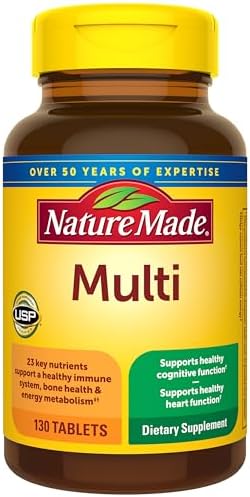


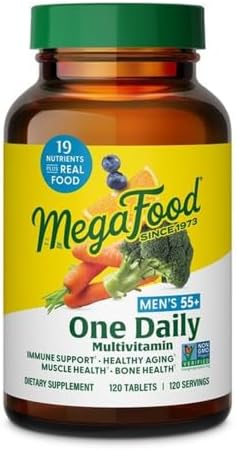
10.1 Nature Made Multivitamin Tablets
Best For
Adults looking for an affordable, well-balanced daily multivitamin.
Why It’s Popular
Nature Made is one of the most recognized supplement brands worldwide. Their multivitamin provides many essential vitamins and minerals in amounts close to the Recommended Daily Values, making it an excellent choice for everyday nutritional support.
Key Nutrients
- Vitamin A
- Vitamin C
- Vitamin D3
- Vitamin E
- Vitamin K
- Complete B-Complex
- Zinc
- Selenium
- Copper
- Manganese
Pros
✔ Affordable price
✔ Trusted manufacturer
✔ Balanced nutrient profile
✔ Suitable for daily use
✔ Widely available
Things to Consider
- Contains no Omega-3 fatty acids.
- Large tablets may be difficult for some individuals to swallow.
Amazon Search ASIN: Commonly available in multiple package sizes (verify current ASIN before publishing, as it changes by listing).
10.2 Centrum Adult Multivitamin
Best For
Adults seeking comprehensive daily nutritional support.
Why It’s Popular
Centrum has been one of the leading multivitamin brands for decades. Its formula includes over 20 vitamins and minerals designed to support immunity, metabolism, heart health, muscle function, and brain health.
Key Nutrients
- Vitamin A
- Vitamin C
- Vitamin D
- Vitamin E
- Vitamin K
- Complete B Vitamins
- Zinc
- Magnesium
- Selenium
- Chromium
Pros
✔ Comprehensive formula
✔ Trusted global brand
✔ Supports multiple body systems
✔ Available for different age groups
Things to Consider
- Some formulas contain iron while others don’t.
- Always choose the version appropriate for your age and gender.
10.3 Garden of Life Vitamin Code Multivitamin
Best For
People who prefer whole-food-based supplements.
Why It’s Popular
Garden of Life focuses on raw, food-based ingredients combined with probiotics and digestive enzymes, making it popular among individuals who value minimally processed nutrition.
Key Features
- Raw whole-food ingredients
- Live probiotics
- Digestive enzymes
- Fruit and vegetable blends
- Non-GMO ingredients
Pros
✔ Whole-food formula
✔ Includes probiotics
✔ Vegetarian-friendly options
✔ Excellent ingredient quality
Things to Consider
- More expensive than standard multivitamins.
- Multiple capsules may be required daily.
10.4 One A Day Men’s / Women’s Multivitamin
Best For
Adults who want gender-specific nutrition.
Why It’s Popular
One A Day offers specialized formulas designed for men and women with nutrient levels adjusted to their unique nutritional needs.
Men’s Formula Highlights
- Vitamin D
- Zinc
- Magnesium
- Selenium
- B Vitamins
Women’s Formula Highlights
- Iron
- Calcium
- Vitamin D
- Folic Acid
- Vitamin C
Pros
✔ Gender-specific formulations
✔ Easy once-daily serving
✔ Good value
✔ Widely available
Things to Consider
- Choose the correct version for your age and nutritional requirements.
10.5 MegaFood One Daily Multivitamin
Best For
Individuals looking for premium-quality ingredients.
Why It’s Popular
MegaFood manufactures supplements using real food ingredients and emphasizes quality sourcing and careful manufacturing practices.
Key Features
- Food-based nutrients
- Gentle on the stomach
- Non-GMO
- Vegetarian options
- Excellent manufacturing standards
Pros
✔ Premium ingredient quality
✔ Food-based formulation
✔ Gentle digestion
✔ Trusted brand reputation
Things to Consider
- Premium pricing.
- May not fit every budget.
💡 Did You Know?
Even the highest-rated multivitamin cannot compensate for a poor diet. Research consistently shows that people who combine healthy eating with appropriate supplementation experience better long-term health outcomes than those who rely on supplements alone.
10.6 Which Multivitamin Is Right for You?
Choosing the right supplement depends on your personal health goals and lifestyle.
| Your Situation | Recommended Type |
|---|---|
| General daily nutrition | Nature Made or Centrum |
| Premium whole-food formula | Garden of Life |
| Men’s nutritional support | One A Day Men’s |
| Women’s nutritional support | One A Day Women’s |
| Premium food-based supplement | MegaFood One Daily |
There is no single “best” multivitamin for everyone. The ideal choice is one that matches your age, dietary habits, health needs, and budget.
💚 Anna’s Health Tip
Don’t purchase a multivitamin simply because it’s the most expensive or heavily advertised. Focus on choosing a reputable brand, following the recommended dosage, and maintaining healthy eating habits. Supplements work best when they support an already balanced lifestyle.
Key Takeaways
✔ Reputable brands prioritize quality, safety, and balanced formulations.
✔ Choose a supplement designed for your age and gender.
✔ Whole-food-based multivitamins may appeal to those seeking minimally processed ingredients.
✔ Budget-friendly products can be just as effective as premium brands when they meet your nutritional needs.
✔ Always read labels carefully and follow the recommended serving size.
11. Common Myths About Multivitamins
Multivitamins are among the most widely used dietary supplements in the world, yet they are also surrounded by misconceptions. Marketing claims, social media trends, and anecdotal experiences often create unrealistic expectations about what these supplements can and cannot do.
Understanding the facts behind these common myths will help you make informed decisions and avoid wasting money on unnecessary products or unrealistic promises.
11.1 Myth #1: Multivitamins Can Replace a Healthy Diet
Reality: They Cannot.
This is perhaps the biggest misconception.
A multivitamin supplies vitamins and minerals, but it cannot provide the complete nutritional benefits of whole foods.
Whole foods also contain:
- Dietary fiber
- Healthy fats
- High-quality protein
- Antioxidants
- Phytochemicals
- Natural enzymes
- Water
For example, eating an orange provides Vitamin C, fiber, hydration, and dozens of beneficial plant compounds. A Vitamin C tablet provides only one nutrient.
Think of multivitamins as nutritional support—not meal replacements.
11.2 Myth #2: More Vitamins Mean Better Health
Reality: Your body only needs certain amounts.
Many people assume that taking two or three multivitamins every day will produce faster or better results.
Unfortunately, that’s not how the human body works.
Water-soluble vitamins like Vitamin C and most B vitamins are generally excreted when consumed in excess, while fat-soluble vitamins (A, D, E, and K) can accumulate in the body if taken excessively over long periods.
Following the recommended dosage is usually the safest and most effective approach.
11.3 Myth #3: Multivitamins Give Instant Energy
Reality: They support energy production—they are not stimulants.
Unlike coffee or energy drinks, multivitamins don’t provide immediate energy.
Instead, nutrients like the B vitamins help your body convert food into usable energy.
If you are deficient in these vitamins, correcting the deficiency may gradually improve fatigue.
However, if your nutrient levels are already adequate, taking extra vitamins is unlikely to make you feel noticeably more energetic.
11.4 Myth #4: Everyone Needs a Daily Multivitamin
Reality: It Depends on the Individual.
Healthy adults who consistently eat a balanced diet rich in fruits, vegetables, whole grains, lean proteins, and healthy fats may already meet their nutritional needs.
Others—including older adults, pregnant women, vegetarians, vegans, and people with certain medical conditions—may benefit more from supplementation.
The decision should be based on your diet, health status, and professional medical advice when necessary.
11.5 Myth #5: Natural Vitamins Are Always Better Than Synthetic Ones
Reality: It depends on the nutrient.
Many vitamins used in supplements are chemically identical to those naturally found in foods.
For example, synthetic Vitamin C (ascorbic acid) has the same chemical structure and performs the same biological function as Vitamin C found in oranges.
The real advantage of whole foods comes from the complete package of nutrients they provide—not simply because the vitamins themselves are “natural.”
11.6 Myth #6: Expensive Supplements Are Always Higher Quality
Reality: Price doesn’t always reflect quality.
Some premium supplements use excellent ingredients and advanced manufacturing processes.
However, many affordable products from reputable manufacturers also meet high-quality standards and provide excellent nutritional value.
Rather than focusing on price, evaluate:
- Brand reputation
- Ingredient transparency
- Nutrient balance
- Manufacturing quality
- Third-party testing (when available)
11.7 Myth #7: Multivitamins Can Prevent Every Disease
Reality: No supplement can guarantee disease prevention.
Multivitamins support overall nutrition, but they cannot eliminate the risk of heart disease, diabetes, cancer, infections, or other chronic illnesses.
Long-term health depends on many factors, including:
- Healthy eating
- Physical activity
- Adequate sleep
- Maintaining a healthy weight
- Managing stress
- Avoiding smoking
- Limiting excessive alcohol consumption
- Regular medical checkups
Supplements are just one piece of the bigger picture.
11.8 Myth #8: If One Supplement Is Good, Taking More Must Be Better
Reality: More is not always better.
Combining multiple multivitamins or taking several overlapping supplements may lead to excessive intake of certain vitamins and minerals.
For example, taking a multivitamin alongside separate Vitamin A, Vitamin D, and Zinc supplements could unintentionally exceed safe daily intake levels.
Always review supplement labels to avoid unnecessary duplication.
💚 Anna’s Health Tip
Don’t let marketing claims replace scientific evidence. The healthiest people usually focus on consistent healthy habits rather than searching for a miracle supplement. A balanced diet, regular exercise, quality sleep, and stress management will always have a greater impact on your health than any single multivitamin.
Key Takeaways
✔ Multivitamins support nutrition but cannot replace healthy eating.
✔ More vitamins do not necessarily produce better results.
✔ They help correct deficiencies but are not instant energy boosters.
✔ Not everyone requires daily supplementation.
✔ Price does not always determine supplement quality.
✔ Long-term health depends on healthy lifestyle habits—not supplements alone.
12. Frequently Asked Questions (FAQ)
12.1 Should I Take a Multivitamin Every Day?
For many healthy adults, a daily multivitamin can help fill small nutritional gaps, particularly if their diet is inconsistent. However, if you consistently eat a varied and balanced diet, you may already obtain most of the nutrients your body needs through food.
12.2 What Is the Best Time to Take a Multivitamin?
Most multivitamins are best taken with a meal, preferably breakfast or lunch.
Taking them with food may improve the absorption of fat-soluble vitamins (A, D, E, and K) and reduce the chance of stomach discomfort.
Always follow the instructions provided on the product label.
12.3 Can I Take a Multivitamin on an Empty Stomach?
Some people tolerate multivitamins well on an empty stomach, but others may experience nausea or stomach irritation.
Taking your multivitamin with food is generally the better option.
12.4 How Long Does It Take for Multivitamins to Work?
If you’re correcting a vitamin deficiency, improvements may take several weeks or even months, depending on the nutrient involved and the severity of the deficiency.
Remember that multivitamins support long-term health—they are not designed to produce immediate, noticeable effects.
12.5 Can I Take More Than One Multivitamin Per Day?
Unless specifically directed by a healthcare professional, no.
Taking multiple multivitamins may result in consuming excessive amounts of certain vitamins and minerals.
Always follow the recommended serving size on the label.
12.6 Are Gummies as Effective as Tablets?
They can be.
The effectiveness depends on the formulation rather than the format. However, some gummy multivitamins contain added sugars and may include lower amounts of certain nutrients compared to tablets or capsules.
12.7 Can Multivitamins Help with Hair Loss?
Multivitamins may help improve hair health if hair loss is related to a nutritional deficiency.
However, they cannot reverse genetic hair loss, male pattern baldness, or hormonal causes of hair loss on their own.
If you experience sudden or excessive hair loss, it’s important to consult a healthcare professional to determine the underlying cause.
12.8 Are Multivitamins Safe?
For most healthy adults, multivitamins are safe when taken according to the manufacturer’s instructions.
However, people who are pregnant, breastfeeding, have chronic medical conditions, or take prescription medications should consult a healthcare professional before starting any new supplement.
13. Final Thoughts
Vitamins are among the most important nutrients your body needs every single day. They support energy production, immune function, healthy bones, brain performance, skin, hair, vision, and countless other biological processes that keep your body functioning properly.
The best way to obtain these nutrients is through a balanced diet rich in colorful fruits, vegetables, whole grains, lean proteins, healthy fats, legumes, nuts, and seeds. These foods provide vitamins in combination with fiber, antioxidants, and many other beneficial compounds that supplements cannot fully replicate.
That said, life isn’t always perfect. Busy schedules, dietary restrictions, aging, pregnancy, digestive disorders, and other factors can make it difficult for some people to consistently meet their nutritional needs through food alone. In these situations, a quality multivitamin may help bridge nutritional gaps and support overall health.
The key is maintaining realistic expectations. A multivitamin is not a miracle pill. It won’t replace healthy eating, eliminate chronic disease, or instantly boost energy. Instead, it works best as part of a healthy lifestyle that includes regular physical activity, quality sleep, proper hydration, stress management, and nutritious meals.
When choosing a multivitamin, focus on reputable brands, balanced nutrient levels, and products that match your age, sex, and individual health needs. If you have any medical conditions or take prescription medications, speak with your healthcare provider before beginning supplementation.
Small, consistent healthy choices made every day have a far greater impact on your long-term health than any single supplement ever could.
Conclusion
Building a healthier life doesn’t happen overnight. It begins with understanding what your body needs and making informed choices every day. Vitamins are essential for maintaining good health, but they work best when supported by a balanced diet and an active lifestyle.
Whether you choose to meet your nutritional needs through food alone or supplement your diet with a high-quality multivitamin, consistency is the key. Prioritize whole foods, stay physically active, get enough sleep, manage stress, and use supplements wisely when appropriate.
Your future health is shaped by the habits you build today—not by quick fixes or marketing promises.
Enjoyed this guide?
If you found this article helpful, be sure to explore more health and wellness guides here on Life Essentials by Anna. We regularly publish evidence-based articles on nutrition, healthy living, fitness, home essentials, beauty, travel, and lifestyle tips to help you make informed decisions.
If you’re considering adding a multivitamin to your routine, take time to compare products carefully and choose one that fits your individual needs. Investing in your health today is one of the best decisions you can make for your future.
