

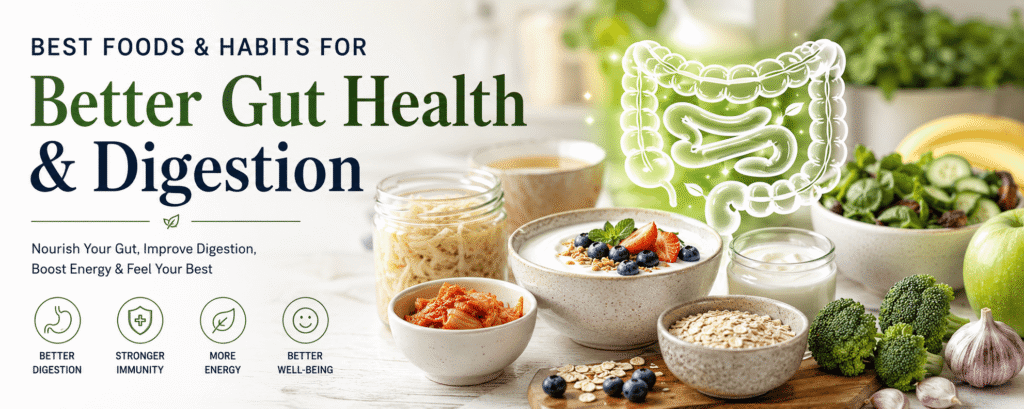
Modern life has made digestive problems more common than ever. Many people experience bloating, stomach discomfort, low energy, irregular digestion, or constant fatigue without realizing that poor gut health may be the real cause.
Your gut does much more than digest food. It plays a major role in immunity, mood, energy levels, skin appearance, and overall wellness. When your digestive system functions properly, your entire body feels healthier and more balanced.
The good news is that improving gut health does not require complicated diets or extreme lifestyle changes. Small daily habits, nutritious foods, proper hydration, and a few smart wellness products can make a noticeable difference over time.
In this guide, you will discover the best foods for gut health, daily habits that support digestion, common mistakes to avoid, and useful products that can help you maintain a healthier digestive system naturally.
Why Gut Health Matters
Your digestive system contains trillions of bacteria known as the gut microbiome. Some bacteria are beneficial, while others can become harmful if the balance is disturbed.
A healthy gut can help support:
- Better digestion
- Stronger immunity
- Improved nutrient absorption
- Higher energy levels
- Clearer skin
- Reduced bloating
- Better mood and mental wellness
When the gut becomes unhealthy, people often experience:
- Constipation
- Gas and bloating
- Acid reflux
- Irregular digestion
- Fatigue
- Skin irritation
- Food sensitivities
This is why many health experts now consider gut health one of the foundations of overall wellness.
Signs Your Gut Health May Need Improvement
Many digestive problems start slowly. You may ignore the symptoms at first because they seem minor or temporary.
Here are some common signs that your gut may need more support:
Frequent Bloating
Occasional bloating is normal. Constant bloating after meals is not. It may indicate poor digestion or an imbalance in gut bacteria.
Irregular Bowel Movements
Constipation or diarrhea can both signal digestive imbalance.
Constant Fatigue
Poor gut health can affect nutrient absorption, which may leave you feeling tired throughout the day.
Food Sensitivities
If your body reacts badly to foods you once tolerated, your digestive system may be struggling.
Skin Problems
Conditions like acne, dryness, or irritation are sometimes linked to inflammation and poor digestion.
Best Foods for Better Gut Health
The foods you eat every day directly affect your digestive system. Choosing nutrient-rich and fiber-rich foods can help beneficial bacteria grow naturally.
1. Yogurt and Fermented Foods
Fermented foods contain probiotics, which are healthy bacteria that support digestion.
Some excellent options include:
- Yogurt
- Kefir
- Kimchi
- Sauerkraut
- Miso
- Kombucha
Try adding a small serving of fermented foods to your meals several times each week.
Recommended Product
Garden of Life Dr. Formulated Probiotics Once Daily
A popular probiotic supplement designed to support digestion, gut balance, and immune health.


2. Fiber-Rich Fruits and Vegetables
Fiber helps food move smoothly through the digestive system. It also feeds healthy gut bacteria.
Excellent high-fiber foods include:
- Apples
- Bananas
- Berries
- Broccoli
- Spinach
- Carrots
- Sweet potatoes
Aim to include colorful vegetables in every meal whenever possible.
3. Whole Grains
Whole grains support healthy digestion because they contain natural fiber and important nutrients.
Better choices include:
- Oats
- Brown rice
- Quinoa
- Whole wheat bread
- Barley
Processed foods often remove fiber, which can slow digestion.
Recommended Product
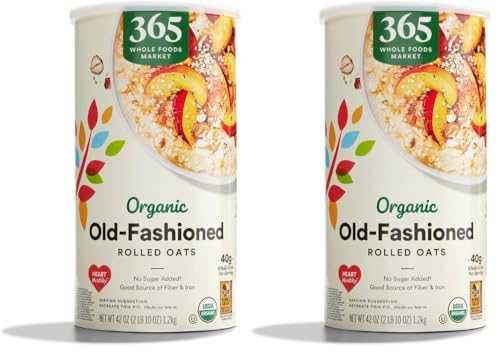
Quaker Old Fashioned Oats
Simple, affordable, and excellent for supporting digestive wellness.

4. Healthy Hydration
Water is essential for digestion. Without enough hydration, constipation and digestive discomfort become more common.
Try to drink water consistently throughout the day rather than only when thirsty. Adding lemon slices or cucumber to water can also make hydration more refreshing.
Recommended Amazon Product
Hydro Flask Stainless Steel Water Bottle
A durable insulated water bottle that helps keep water cold for hours while encouraging better hydration habits.


5. Ginger and Herbal Teas
Ginger has long been used to support digestion naturally. It may help reduce nausea, bloating, and stomach discomfort.
Peppermint tea and chamomile tea can also help calm the digestive system.
Recommended Product
Traditional Medicinals Organic Ginger Tea
A soothing herbal tea option for digestive support and relaxation.
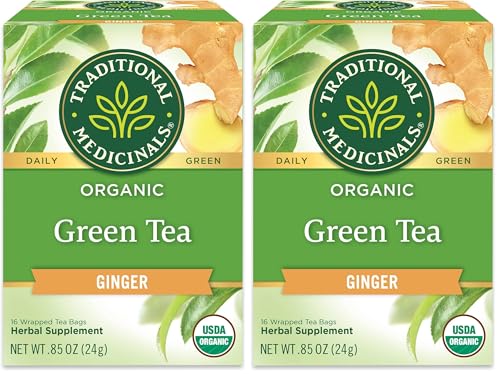
- The information below is per-pack only
- Herbal Power: Gently invigorates, while promoting healthy digestion
- Taste: Pleasantly warming, spicy and mildly tannic
Daily Habits That Improve Digestion Naturally
Healthy digestion is not only about food. Daily lifestyle habits also play a major role.
Eat Slowly
Many people eat too quickly. Fast eating can lead to bloating and poor digestion.
Try to:
- Chew food properly
- Eat without distractions
- Avoid rushing meals
Your digestive system works better when meals are eaten calmly.
Reduce Processed Foods
Highly processed foods often contain excess sugar, unhealthy oils, and artificial ingredients that may disturb gut balance.
Instead, focus more on:
- Fresh meals
- Natural ingredients
- Whole foods
Small improvements in food quality can make a big difference over time.
Get Regular Exercise
Movement helps digestion function more efficiently. You do not need intense workouts. Even daily walking can support digestive health and reduce bloating.
Simple activities include:
- Walking
- Stretching
- Yoga
- Light cardio
Sleep Properly
Poor sleep can negatively affect gut bacteria and increase stress levels.
Try to:
- Maintain a consistent sleep schedule
- Reduce screen time before bed
- Create a relaxing nighttime routine
Recommended Product
MZOO Sleep Eye Mask
A comfortable sleep accessory that can help improve nighttime rest during travel or at home.


Manage Stress Levels
Stress and digestion are closely connected. High stress levels may trigger stomach discomfort, bloating, or appetite changes.
Helpful stress-reducing activities include:
- Meditation
- Deep breathing
- Reading
- Nature walks
- Journaling
Recommended Product
ASAKUKI Essential Oil Diffuser
A calming aromatherapy diffuser that helps create a relaxing environment at home.


Foods That May Harm Gut Health
Some foods can irritate the digestive system when consumed excessively.
Excess Sugar
Too much sugar may encourage harmful bacteria growth in the gut.
Fried Foods
Heavy greasy foods can slow digestion and increase discomfort.
Artificial Sweeteners
Some artificial sweeteners may negatively affect gut bacteria.
Excess Alcohol
Too much alcohol may weaken the digestive system and increase inflammation.
Moderation is important. You do not need to eliminate every treat completely. Balance matters most.
The Importance of Probiotics and Prebiotics
Many people confuse probiotics and prebiotics, but both are important for gut health.
What Are Probiotics?
Probiotics are healthy live bacteria that support digestion.
Common probiotic foods:
- Yogurt
- Kefir
- Fermented vegetables
Supplements may also help some people maintain gut balance.
What Are Prebiotics?
Prebiotics are fibers that feed healthy gut bacteria.
Foods rich in prebiotics include:
- Garlic
- Onions
- Bananas
- Oats
- Asparagus
Think of probiotics as the healthy bacteria and prebiotics as the food that keeps them alive.
Gut Health and Immunity
A large portion of the immune system is connected to the gut. When digestion is healthy, the body is often better prepared to fight illness and inflammation. This is one reason why many people focus on improving gut health during cold and flu seasons.
A healthy digestive system may help:
- Support immune defense
- Reduce inflammation
- Improve nutrient absorption
- Increase overall wellness
Can Gut Health Affect Mental Wellness?
Yes. Researchers often refer to the “gut-brain connection.” Your digestive system communicates closely with the brain. Poor gut health may sometimes contribute to:
- Brain fog
- Mood swings
- Stress
- Low energy
Meanwhile, balanced digestion may help support:
- Better mood
- Clearer thinking
- Improved focus
This is another reason why digestive wellness has become such an important health topic worldwide.
Best Supplements for Digestive Support
Supplements are not magic solutions, but they can support healthy routines when combined with proper nutrition.
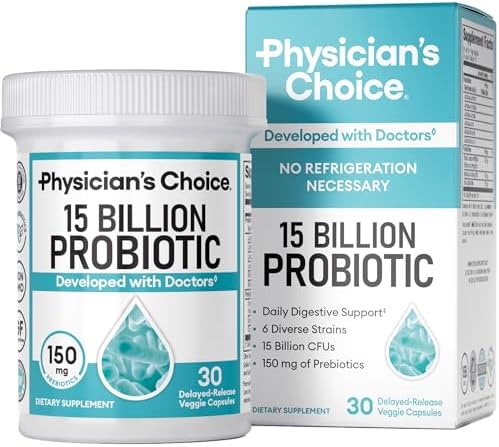
Probiotic Supplements
These may help restore healthy bacteria balance.
Recommended Product
Culturelle Daily Probiotic Capsules
Widely used for digestive and immune support.


Fiber Supplements
Helpful for people who struggle to get enough fiber from food.
Recommended Product
Metamucil Fiber Supplement
Supports regular digestion and healthy bowel movements.
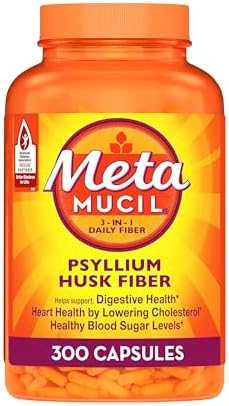
- FEEL WHAT LIGHTER FEELS LIKE by helping promote regularity when you make Metamucil fiber capsules a part of your daily r…
- ONLY TWO INGREDIENTS. Metamucil Daily Fiber Capsules are made with only two ingredients, including psyllium husk fiber.
- HELPS SUPPORT HEALTHY BLOOD SUGAR LEVELS. Taking Metamucil fiber capsules with each meal helps maintain healthy blood su…
Digestive Enzymes
Digestive enzymes may help break down food more efficiently.
Recommended Product
Physician’s Choice Digestive Enzymes
Popular for helping reduce bloating and digestive discomfort after meals.

A Simple Daily Routine for Better Gut Health
If you want to improve digestion naturally, consistency matters more than perfection.
Here is a simple daily routine you can follow:
Morning
- Drink water after waking up
- Eat a fiber-rich breakfast
- Include fruit or oats
Afternoon
- Eat balanced meals
- Stay hydrated
- Take short walks after meals
Evening
- Avoid heavy late-night eating
- Reduce stress
- Sleep on time
Small habits repeated daily create lasting improvements.
Common Gut Health Mistakes to Avoid
Skipping Meals
Irregular eating patterns may affect digestion negatively.
Drinking Too Little Water
Dehydration often contributes to constipation and bloating.
Overusing Antibiotics
Antibiotics can sometimes disturb healthy gut bacteria if overused unnecessarily.
Ignoring Food Sensitivities
Pay attention to foods that repeatedly cause discomfort.
How Long Does It Take to Improve Gut Health?
Gut health improvements usually take time. Some people notice reduced bloating within days, while deeper changes may take several weeks or months.
The key is consistency.
Focus on:
- Better food choices
- Hydration
- Stress management
- Sleep
- Daily movement
Healthy digestion is built through long-term habits.
Final Thoughts
Gut health affects far more than digestion alone. It influences energy, immunity, mood, skin health, and overall wellness.
The good news is that improving digestion does not require extreme diets or complicated routines. Simple daily habits can make a meaningful difference.
Start by adding more fiber-rich foods, fermented foods, and hydration into your routine. Reduce processed foods where possible. Support your body with quality sleep, movement, and stress management.
Most importantly, be patient with yourself. Healthy digestion develops gradually through consistency and balanced living.
A healthier gut can help you feel lighter, more energized, and more comfortable every day.
Stay Connected With Life Essentials By Anna
If you enjoyed this guide, be sure to explore more articles on our blog for practical wellness tips, lifestyle inspiration, and carefully selected products designed to make everyday life healthier, easier, and more enjoyable.
Subscribe to stay updated with the latest health, beauty, travel, home, and lifestyle recommendations curated to help you live smarter and feel your best every day.
