

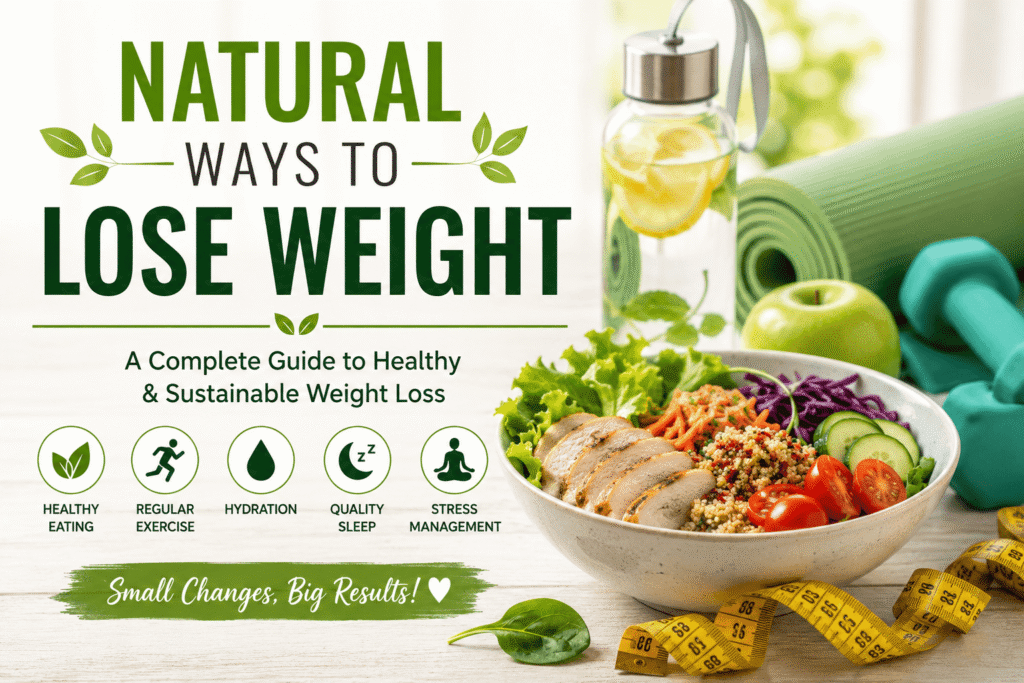
Build Healthy Habits, Burn Fat Naturally, and Create a Lifestyle You Can Maintain for Years
Losing weight is one of the most common health goals, but it is also one of the most misunderstood. Every year, millions of people begin strict diets, eliminate their favorite foods, or purchase expensive supplements hoping for fast results. While some people lose weight initially, many regain it because their approach isn’t sustainable.
The truth is that successful weight loss isn’t about starving yourself or following the latest diet trend. It’s about making healthier choices every day and building habits that you can maintain for the rest of your life.
Modern lifestyles have made healthy living more difficult than ever. Long working hours, processed foods, limited physical activity, stress, and poor sleep have all contributed to rising obesity rates across the world. These factors not only affect body weight but also increase the risk of conditions such as type 2 diabetes, high blood pressure, heart disease, and joint problems.
The encouraging news is that your body responds remarkably well to positive lifestyle changes. Improving your eating habits, becoming more physically active, sleeping well, and managing stress can naturally support healthy weight loss while improving your overall well-being.
In this complete guide, you’ll learn practical, science-backed strategies that can help you lose weight naturally without relying on dangerous crash diets or unrealistic promises. You’ll also discover carefully selected Amazon products that can support your healthy lifestyle and make your journey easier.
Remember, the goal isn’t simply to lose weight—it’s to become healthier, stronger, and more confident while creating habits that last a lifetime.
Why Natural Weight Loss Is Better Than Crash Diets
Many people want quick results. Unfortunately, quick results rarely last. Crash diets often involve eating very few calories or eliminating entire food groups. Although these methods may produce rapid weight loss initially, they are usually difficult to maintain and can negatively affect your health.
When your body doesn’t receive enough nutrients, it begins to conserve energy by slowing your metabolism. You may also lose muscle mass instead of body fat, making it even harder to maintain your results. In contrast, natural weight loss focuses on gradual improvements that support your overall health while encouraging steady fat loss.
Benefits of Natural Weight Loss
Choosing a sustainable approach offers many long-term benefits, including:
- Improved heart health
- Better digestion
- Increased daily energy
- More stable blood sugar levels
- Better sleep quality
- Healthier hormone balance
- Improved mental well-being
- Greater self-confidence
- Easier long-term weight management
Instead of asking yourself,
“How can I lose 10 pounds this month?”
Ask yourself,
“What healthy habits can I follow for the next 10 years?”
That simple shift in mindset often leads to lasting success.
1. Understand Why Weight Gain Happens
Before learning how to lose weight, it’s important to understand why weight gain occurs in the first place. Many people assume that gaining weight is simply the result of eating too much, but the reality is far more complex. Your body weight is influenced by several factors, including the quality of your diet, physical activity, sleep, stress levels, hormones, age, genetics, and overall lifestyle. Understanding these factors helps you focus on addressing the root causes instead of relying on temporary solutions or fad diets.
1.1 Calories Matter—But Food Quality Matters Even More
Your body needs calories every day to perform essential functions such as breathing, circulating blood, repairing tissues, regulating body temperature, digesting food, and supporting physical activity. When you consistently consume more calories than your body burns, the excess energy is stored as body fat. However, the quality of those calories is just as important as the quantity.
For example, 500 calories from sugary drinks, pastries, and processed snacks affect your body very differently than 500 calories from grilled chicken, vegetables, brown rice, and healthy fats. Whole, nutrient-dense foods digest more slowly, provide essential vitamins and minerals, and help you stay full for longer. This naturally reduces cravings and makes it easier to maintain a healthy eating pattern.
Choose Foods That Nourish Your Body
Prioritize foods such as:
- Lean chicken and turkey
- Fish and seafood
- Eggs
- Greek yogurt
- Oats
- Brown rice
- Fresh fruits
- Colorful vegetables
- Beans and lentils
- Nuts and seeds
These foods provide lasting energy while supplying your body with the nutrients it needs to function properly.
💡 Did You Know?
Protein and fiber are the two nutrients that help you feel full for the longest. Including both in your meals can naturally reduce hunger and unnecessary snacking throughout the day.
1.2 Processed Foods Make Weight Gain Easier
Ultra-processed foods are one of the biggest contributors to modern weight gain. These products are designed to taste highly appealing, making it easy to consume more calories than your body actually needs. Most processed foods are high in added sugars, refined carbohydrates, unhealthy fats, and sodium while providing very little fiber, protein, or essential nutrients.
Because they digest quickly, they often cause rapid spikes and crashes in blood sugar levels. This leaves you feeling hungry again within a short time, increasing the likelihood of overeating or reaching for unhealthy snacks.
Foods to Limit
Try reducing your intake of:
- Sugary soft drinks
- Candy and chocolate bars
- Cakes and pastries
- Sweet breakfast cereals
- Potato chips
- Fast food
- Deep-fried meals
- Processed meats
- Packaged snack foods
You don’t have to eliminate these foods completely. Enjoying your favorite treats occasionally is perfectly normal. The goal is to make whole foods the foundation of your diet while treating processed foods as occasional indulgences rather than everyday staples.
1.3 A Sedentary Lifestyle Reduces Daily Calorie Burn
Modern technology has made everyday life more convenient, but it has also reduced the amount of movement most people get throughout the day. Many adults spend hours sitting at a desk, driving to work, or relaxing in front of a television or computer screen. Over time, this lack of physical activity lowers the number of calories your body burns, making gradual weight gain more likely.
The good news is that increasing your daily activity doesn’t necessarily require intense workouts or expensive gym memberships. Small changes throughout the day can significantly increase your overall calorie expenditure while improving your cardiovascular health, energy levels, and mood.
Simple Ways to Move More Every Day
Try incorporating these habits into your daily routine:
- Take the stairs instead of the elevator.
- Walk for 20–30 minutes after lunch or dinner.
- Stand while talking on the phone.
- Stretch every hour if you work at a desk.
- Park farther away from store entrances.
- Walk or cycle for short errands.
- Be more active while doing household chores.
- Aim for 8,000–10,000 steps per day if appropriate for your fitness level.
Remember, every extra step counts. Consistent daily movement often has a greater long-term impact than occasional intense workouts.
💡 Did You Know?
Daily activities such as walking, gardening, cleaning, and climbing stairs are part of your Non-Exercise Activity Thermogenesis (NEAT). Increasing your NEAT can help you burn hundreds of additional calories each day without following a structured exercise program.
1.4 Poor Sleep Can Increase Hunger and Cravings
Sleep is one of the most overlooked factors affecting body weight. When you don’t get enough quality sleep, your body produces more ghrelin, the hormone responsible for increasing hunger, while producing less leptin, the hormone that signals fullness. This hormonal imbalance can make it much harder to control your appetite and resist unhealthy foods.
Lack of sleep also affects your energy levels and motivation. When you’re tired, you’re more likely to skip exercise, order takeout, or choose sugary foods for a quick burst of energy. Over time, these habits can contribute to gradual weight gain.
Signs That Poor Sleep May Be Affecting Your Weight
- Frequent cravings for sugary foods
- Increased late-night snacking
- Feeling hungry soon after meals
- Low energy throughout the day
- Difficulty staying active
- Poor concentration and motivation
Aim for 7–9 hours of quality sleep every night. Establishing a consistent bedtime routine, limiting screen time before bed, and creating a relaxing sleep environment can significantly improve both your sleep quality and your weight-loss efforts.
💡 Did You Know?
Research suggests that even one night of inadequate sleep can increase hunger the following day, making healthy food choices much more difficult.
1.5 Chronic Stress Can Trigger Emotional Eating
Stress affects much more than your mental well-being. During stressful situations, your body releases cortisol, commonly known as the stress hormone. While short-term increases are completely normal, long-term elevations in cortisol may increase appetite, trigger cravings for sugary and high-fat foods, and encourage emotional eating.
Many people don’t eat because they’re physically hungry. Instead, they eat because they’re stressed, bored, anxious, tired, or overwhelmed. Recognizing the difference between emotional hunger and physical hunger is an important step toward building a healthier relationship with food.
Healthy Alternatives to Emotional Eating
When you feel stressed, try:
- Going for a short walk
- Practicing deep breathing exercises
- Reading a book
- Listening to relaxing music
- Journaling your thoughts
- Spending time outdoors
- Calling a friend or family member
- Practicing meditation or mindfulness
Developing healthier coping strategies can reduce emotional eating while improving both your physical and mental health.
1.6 Healthy Weight Loss Is Built on Consistency
There is no single food, supplement, or workout that magically causes weight loss. Sustainable results come from consistently making healthier choices over time. Small improvements repeated every day have a far greater impact than extreme diets followed for only a few weeks.
Focus on building habits that fit naturally into your lifestyle rather than trying to change everything overnight. Drinking more water, eating more vegetables, walking regularly, sleeping well, and managing stress may seem like simple changes, but together they create a strong foundation for long-term success.
Remember, one unhealthy meal won’t ruin your progress, just as one healthy meal won’t transform your body overnight. Every healthy decision is another step toward becoming stronger, healthier, and more confident.
💚 Anna’s Healthy Living Tip
Don’t try to become the healthiest version of yourself in a single week. Instead, focus on improving by just 1% every day. Replace one sugary drink with water, take a 20-minute walk after dinner, or add one extra serving of vegetables to your lunch. These small, consistent habits may seem insignificant at first, but they compound over time and lead to remarkable, lasting results.
Key Takeaways
✔ Weight gain is influenced by many factors, including diet, physical activity, sleep, stress, and lifestyle habits.
✔ Prioritize whole, nutrient-dense foods over highly processed meals.
✔ Increase your daily movement through simple, consistent activities.
✔ Aim for 7–9 hours of quality sleep every night.
✔ Learn healthy ways to manage stress and reduce emotional eating.
✔ Focus on building sustainable habits rather than searching for quick fixes.
2. Build Your Diet Around Whole, Nutrient-Dense Foods
After understanding why weight gain happens, the next step is learning how to fuel your body properly. Many people believe losing weight means eating as little as possible, but healthy weight loss is not about deprivation. Instead, it’s about choosing foods that provide your body with the nutrients it needs while naturally helping you control hunger and maintain steady energy throughout the day.
Whole foods are foods that have undergone little or no processing. They are naturally rich in vitamins, minerals, antioxidants, fiber, healthy fats, and high-quality protein. Unlike heavily processed foods, they nourish your body while helping you feel satisfied for longer. Making whole foods the foundation of your diet can improve your overall health and make weight loss much easier to maintain.
2.1 Fill Half Your Plate with Vegetables
Vegetables are among the most valuable foods you can eat when trying to lose weight. They are naturally low in calories but packed with essential nutrients that support nearly every function in your body. Because they are rich in fiber and water, vegetables add volume to your meals without significantly increasing calorie intake, helping you feel full and satisfied.
Eating a variety of colorful vegetables also provides antioxidants that protect your cells from damage and support your immune system. Different colors often represent different nutrients, so aim to include several colors throughout the week instead of eating the same vegetables every day.
Best Vegetables for Weight Loss
Include vegetables such as:
- Broccoli
- Spinach
- Kale
- Bell peppers
- Carrots
- Cucumbers
- Tomatoes
- Green beans
- Cauliflower
- Cabbage
- Zucchini
- Brussels sprouts
Adding vegetables to every meal is one of the simplest ways to improve nutrition without making your diet feel restrictive.
💡 Did You Know?
Fiber slows the movement of food through your digestive system, helping you stay full for longer and reducing the urge to snack between meals.
2.2 Include Lean Protein with Every Meal
Protein is one of the most important nutrients for healthy weight loss. It helps preserve lean muscle while your body burns stored fat, supports recovery after physical activity, and keeps you feeling satisfied long after you’ve finished eating. Meals that contain enough protein are less likely to leave you searching for snacks an hour later.
Your body also uses more energy to digest protein than it does to digest carbohydrates or fats. Although this effect is modest, it contributes to your daily calorie expenditure while supporting a healthy metabolism.
Excellent Sources of Lean Protein
Choose protein-rich foods such as:
- Chicken breast
- Turkey
- Salmon
- Tuna
- Eggs
- Greek yogurt
- Cottage cheese
- Tofu
- Lentils
- Chickpeas
- Black beans
- Edamame
Try to include a quality protein source at breakfast, lunch, and dinner. Spreading your protein intake throughout the day is generally more effective than eating most of it in one meal.
2.3 Choose Healthy Fats Instead of Avoiding Fat Completely
For many years, dietary fat was unfairly blamed for weight gain. We now know that healthy fats are essential for good health. They support hormone production, brain function, heart health, and the absorption of important vitamins such as vitamins A, D, E, and K.
Healthy fats also make meals more satisfying. When eaten in appropriate portions, they help reduce hunger and make it easier to avoid overeating later in the day.
Healthy Fat Sources
Include moderate portions of:
- Avocados
- Olive oil
- Almonds
- Walnuts
- Pistachios
- Chia seeds
- Flaxseeds
- Natural peanut butter
- Fatty fish such as salmon
Because fats contain more calories per gram than protein or carbohydrates, portion control remains important. The goal is balance, not avoidance.
💡 Did You Know?
Your body cannot produce certain essential fatty acids on its own. They must come from your diet, making healthy fats an important part of overall wellness.
2.4 Replace Refined Carbohydrates with Whole Grains
Carbohydrates provide your body’s preferred source of energy, but not all carbohydrates are created equal. Refined carbohydrates, such as white bread, pastries, and sugary cereals, are quickly digested and often lead to rapid increases in blood sugar followed by energy crashes and renewed hunger.
Whole grains digest more slowly because they retain their natural fiber. This helps provide steady energy, improves digestion, and supports better appetite control throughout the day.
Better Carbohydrate Choices
Replace refined carbohydrates with:
- Brown rice
- Oats
- Quinoa
- Whole wheat bread
- Whole grain pasta
- Barley
- Sweet potatoes
- Whole grain cereals with no added sugar
These foods provide lasting energy while supporting digestive health and overall nutrition.
2.5 Practice Portion Control Without Feeling Deprived
Even healthy foods can contribute to weight gain when consumed in very large amounts. Portion control isn’t about eating tiny meals or constantly feeling hungry. Instead, it’s about giving your body the amount of food it actually needs while learning to recognize natural hunger and fullness signals.
One of the easiest methods is to build a balanced plate instead of measuring every calorie. This approach is simple, practical, and sustainable for everyday life.
The Healthy Plate Method
Build your meals using this guideline:
- ½ plate: Vegetables
- ¼ plate: Lean protein
- ¼ plate: Whole grains or complex carbohydrates
- Add a small serving of healthy fats
This method naturally creates balanced meals without requiring complicated calculations.
2.6 Prepare Healthy Meals in Advance
One of the biggest reasons people make unhealthy food choices is convenience. After a busy day, ordering fast food often feels easier than cooking a nutritious meal. Meal preparation helps remove that temptation by ensuring healthy options are already available when hunger strikes.
Preparing meals ahead of time also saves money, reduces food waste, and makes portion control much easier. Even setting aside one hour each weekend to prepare meals for the week can make a significant difference.
Simple Meal Preparation Tips
- Cook chicken, fish, or beans in batches.
- Wash and chop vegetables in advance.
- Prepare overnight oats for breakfast.
- Portion snacks into reusable containers.
- Freeze healthy meals for busy evenings.
- Keep healthy ingredients stocked in your kitchen.
Consistency becomes much easier when healthy choices are the most convenient choices.
Recommended Amazon Products
1. Rubbermaid Brilliance Glass Food Storage Containers
Meal preparation becomes much easier when you have durable, reusable food containers. These glass containers are leak-resistant, microwave-safe, freezer-safe, and ideal for storing balanced meals throughout the week.

- 100% Leak-Proof & Airtight: Ensures mess-free transport of your favorite foods
- BPA-Free, Clear Tritan Plastic: Offers 360-degree clarity and stays looking like new
- Built-in Steam Vents: Allows microwave heating without removing the lids
Why We Recommend It
- Excellent for meal prepping
- Helps with portion control
- BPA-free glass construction
- Dishwasher, freezer, and microwave safe
2. Etekcity Digital Kitchen Scale
Estimating portion sizes can be difficult, especially when you’re beginning a weight-loss journey. A digital kitchen scale helps you prepare balanced meals with greater accuracy while teaching you what healthy serving sizes actually look like.

- 𝗠𝗮𝘅 𝗖𝗮𝗽𝗮𝗰𝗶𝘁𝘆: Weigh objects as heavy as 22 lb/10 kg and as light as 2 g in increments of 1 g
- 𝗜𝗣𝗫𝟲 𝗪𝗮𝘁𝗲𝗿𝗽𝗿𝗼𝗼𝗳 𝗗𝗲𝘀𝗶𝗴𝗻: Features an IPX6 waterproof design, allowing you to easily measure liquids and wipe the scale cl…
- 𝗧𝘆𝗽𝗲-𝗖 𝗥𝗲𝗰𝗵𝗮𝗿𝗴𝗲𝗮𝗯𝗹𝗲 𝗕𝗮𝘁𝘁𝗲𝗿𝘆: The scale features a rechargeable battery and comes with a USB-C charging cable
Why We Recommend It
- Highly accurate measurements
- Compact and easy to store
- Ideal for meal preparation
- Supports long-term portion awareness
💚 Anna’s Healthy Living Tip
Don’t think of healthy eating as a temporary diet. Think of it as learning a new skill. Every nutritious meal you prepare teaches you something about your body, your habits, and your health. Over time, these small daily decisions become automatic, making healthy living feel natural instead of difficult.
Key Takeaways
✔ Build your meals around whole, minimally processed foods.
✔ Fill half your plate with colorful vegetables.
✔ Include lean protein with every meal to support muscle and reduce hunger.
✔ Choose healthy fats in moderate portions instead of avoiding them.
✔ Replace refined carbohydrates with fiber-rich whole grains.
✔ Practice portion control using the healthy plate method.
✔ Prepare meals ahead of time to make healthy eating more convenient.
3. Increase Your Protein Intake to Support Healthy Weight Loss
Protein is often called the building block of the body, but its benefits extend far beyond building muscle. It is one of the most important nutrients for anyone trying to lose weight because it helps control hunger, supports a healthy metabolism, preserves lean muscle mass, and keeps you feeling satisfied for longer after meals. Increasing your protein intake is one of the simplest dietary changes you can make, yet it can have a significant impact on your overall weight-loss journey.
Many people consume enough calories throughout the day but not enough protein. As a result, they often feel hungry shortly after eating, snack more frequently, and struggle to stay within their daily calorie goals. Including high-quality protein in every meal helps stabilize your appetite while providing your body with the nutrients it needs to function efficiently.
3.1 How Protein Helps You Lose Weight
Unlike carbohydrates and fats, protein requires more energy for your body to digest, absorb, and utilize. This process is known as the Thermic Effect of Food (TEF). Although the calorie-burning effect is relatively small, it contributes to your daily energy expenditure and supports a healthy metabolism.
Protein also influences several hormones that regulate hunger and fullness. It increases the production of hormones that help you feel satisfied while reducing the hormone responsible for stimulating hunger. This combination naturally decreases your desire to overeat, making it easier to maintain a calorie deficit without feeling deprived.
Benefits of a High-Protein Diet
Increasing your protein intake may help you:
- Stay full for longer after meals.
- Reduce cravings between meals.
- Preserve muscle while losing body fat.
- Support a healthy metabolism.
- Improve recovery after exercise.
- Stabilize blood sugar levels.
- Reduce late-night snacking.
- Make long-term weight management easier.
Instead of viewing protein as something only athletes need, think of it as an essential nutrient that supports almost every aspect of your health.
💡 Did You Know?
Research has shown that people who eat a protein-rich breakfast often experience fewer cravings later in the day compared to those who consume a breakfast high in refined carbohydrates.
3.2 How Much Protein Do You Really Need?
Protein requirements vary depending on your age, body weight, activity level, and overall health. Someone who exercises regularly or performs strength training generally requires more protein than someone with a sedentary lifestyle.
A practical guideline for healthy adults aiming to lose weight is approximately 1.2 to 1.6 grams of protein per kilogram of body weight per day. Rather than consuming most of your protein at dinner, try distributing it evenly across your meals to maximize its benefits.
For example, you could include:
- Eggs or Greek yogurt at breakfast.
- Grilled chicken or lentils at lunch.
- Fish or lean meat at dinner.
- A protein-rich snack if needed.
Spreading your protein intake throughout the day helps maintain steady energy levels while keeping hunger under control.
3.3 Choose High-Quality Protein Sources
Not all protein sources provide the same nutritional value. Whole foods should always be your first choice because they contain additional vitamins, minerals, and healthy fats that support overall health.
Excellent Animal-Based Protein Sources
These foods provide complete proteins containing all nine essential amino acids.
Choose options such as:
- Skinless chicken breast
- Turkey
- Salmon
- Tuna
- Eggs
- Greek yogurt
- Cottage cheese
- Lean beef (in moderation)
- Shrimp
These foods are naturally rich in protein while supporting muscle maintenance during weight loss.
Excellent Plant-Based Protein Sources
Plant-based proteins are also excellent choices and provide additional fiber that supports digestive health.
Consider adding:
- Lentils
- Chickpeas
- Black beans
- Kidney beans
- Tofu
- Tempeh
- Edamame
- Quinoa
- Hemp seeds
- Chia seeds
Eating a variety of plant proteins throughout the week helps ensure your body receives a broad range of nutrients.
3.4 Start Every Morning with a Protein-Rich Breakfast
Breakfast is often called the most important meal of the day for a reason. Starting your morning with refined carbohydrates such as pastries or sugary cereals may provide a quick burst of energy, but it often leads to a rapid drop in blood sugar, leaving you hungry again within a few hours.
A protein-rich breakfast provides more stable energy while helping control appetite throughout the day.
Healthy High-Protein Breakfast Ideas
Some simple and nutritious options include:
- Greek yogurt with berries and chia seeds.
- Vegetable omelet with whole-grain toast.
- Oatmeal topped with almonds and walnuts.
- Cottage cheese with fresh fruit.
- A smoothie made with milk, spinach, banana, peanut butter, and protein powder.
Preparing a nutritious breakfast doesn’t need to be complicated. Even a simple meal containing protein, healthy fats, and fiber can keep you satisfied until lunchtime.
3.5 Protein Supports Muscle While You Lose Fat
One common mistake during weight loss is focusing only on the number on the scale. Losing weight too quickly without consuming enough protein can result in the loss of both fat and muscle.
Maintaining lean muscle is extremely important because muscle tissue burns more calories than fat, even when your body is at rest. Preserving muscle helps maintain a healthier metabolism, improves physical strength, and gives your body a more toned appearance as you lose weight.
Combining adequate protein intake with regular strength training is one of the most effective ways to encourage fat loss while protecting your muscle mass.
3.6 Should You Use Protein Supplements?
Whole foods should always be the foundation of a healthy diet. However, protein supplements can be a convenient option for people with busy lifestyles or those who struggle to meet their daily protein requirements through food alone.
A high-quality protein powder can be used after exercise, blended into smoothies, or enjoyed as a quick snack between meals. The key is choosing products with minimal added sugar and simple ingredient lists.
Remember that supplements are designed to supplement a healthy diet—not replace balanced meals.
Recommended Amazon Products
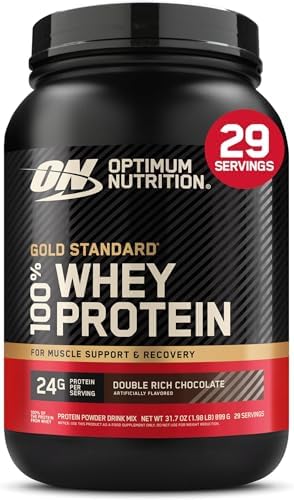
1. Optimum Nutrition Gold Standard 100% Whey Protein
A trusted whey protein powder made from high-quality protein sources. It mixes easily, tastes great, and provides an excellent way to increase your daily protein intake when whole-food meals aren’t practical.
- The information below is per-pack only
- 24 g High-Quality Whey Protein per Scoop – 100% of the protein from whey for a fast-absorbing, complete protein source t…
- 5.5 g Naturally-Occurring BCAAs + 11g of naturally occurring EAAs – Delivers essential amino acids including leucine, is…
Why We Recommend It
- High-quality whey protein
- Supports muscle maintenance
- Low in added sugar
- Easy to mix with water or milk
- Available in several flavors
2. BlenderBottle Classic Shaker Bottle
A reliable shaker bottle makes preparing protein shakes quick and convenient whether you’re at home, work, or the gym.
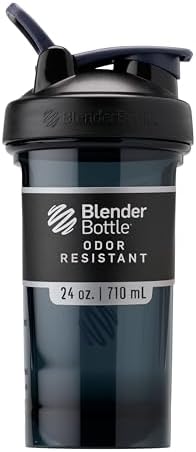
- 24-ounce capacity (note: measurements only go to 18 ounces) sleek and durable Pro24 shaker cup for mixing protein shakes…
- Patented mixing system uses 316 surgical-grade stainless steel BlenderBall wire whisk found only in BlenderBottle brand …
- Screw-on lid creates leak-proof seal, and secure flip cap with SpoutGuard keeps the mouthpiece clean; wide loop top for …
Why We Recommend It
- Leak-proof design
- BPA-free materials
- Easy to clean
- Perfect for protein shakes and smoothies
- Portable for busy lifestyles
💚 Anna’s Healthy Living Tip
Many people focus only on counting calories, but the quality of those calories matters just as much. Before preparing a meal, ask yourself a simple question:
“Where is my protein coming from?”
If every meal includes a quality source of protein, you’ll naturally feel fuller, reduce unhealthy cravings, and make healthy eating much easier over time.
Key Takeaways
✔ Protein helps reduce hunger and keeps you feeling full for longer.
✔ Eating enough protein helps preserve muscle while losing body fat.
✔ Include protein at every meal instead of eating most of it at dinner.
✔ Whole-food protein sources should always be your first choice.
✔ Protein supplements can be helpful but should never replace a balanced diet.
✔ Combining adequate protein with regular exercise supports healthy, sustainable weight loss.
4. Stay Hydrated for Better Weight Loss Results
When people think about weight loss, they usually focus on food and exercise. While both are essential, many overlook another powerful factor—hydration. Water plays a vital role in nearly every function of the body, including digestion, circulation, nutrient absorption, temperature regulation, and metabolism. Staying properly hydrated won’t magically melt away body fat, but it can make your weight-loss journey easier by reducing unnecessary hunger, improving physical performance, and supporting your body’s natural fat-burning processes.
Many people also mistake thirst for hunger. As a result, they reach for snacks when their body is actually asking for water. Developing better hydration habits can help reduce unnecessary calorie intake while improving your overall energy levels throughout the day.
4.1 Why Water Is Essential for Weight Loss
Water is involved in hundreds of biological processes that keep your body functioning efficiently. Every organ, tissue, and cell relies on adequate hydration to perform properly. When you’re dehydrated, your body doesn’t work as effectively, and even mild dehydration can leave you feeling tired, sluggish, and less motivated to stay active.
Drinking enough water also supports your metabolism and helps your digestive system process food more efficiently. While water alone doesn’t burn fat, it creates the conditions your body needs to burn stored fat more effectively when combined with healthy eating and regular exercise.
Benefits of Staying Hydrated
Proper hydration can help you:
- Control hunger between meals.
- Support healthy digestion.
- Improve workout performance.
- Maintain energy throughout the day.
- Reduce fatigue.
- Support normal metabolism.
- Promote healthier skin.
- Replace high-calorie beverages.
Making water your primary drink is one of the simplest lifestyle changes you can make.
💡 Did You Know?
Your body is made up of approximately 60% water. Even mild dehydration can affect concentration, mood, physical performance, and appetite.
4.2 Can Drinking Water Help Reduce Appetite?
One reason water is so helpful during weight loss is its effect on appetite. Sometimes your brain has difficulty distinguishing between thirst and hunger, causing you to eat when your body actually needs fluids. Drinking a glass of water before meals may help you feel fuller, making it easier to control portion sizes. It also encourages you to pause and recognize whether you’re truly hungry or simply thirsty.
This simple habit isn’t a replacement for healthy eating, but it can be an effective strategy for reducing unnecessary snacking.
Simple Hydration Habits
Try these easy habits throughout the day:
- Drink one glass of water after waking up.
- Have a glass of water 20–30 minutes before meals.
- Carry a reusable water bottle.
- Drink water after exercise.
- Replace sugary drinks with water whenever possible.
- Sip water consistently throughout the day instead of drinking large amounts all at once.
Small habits like these quickly become part of your daily routine.
4.3 How Much Water Should You Drink?
There is no single amount of water that works for everyone. Your hydration needs depend on factors such as your age, body size, activity level, climate, and overall health.
A general recommendation for most adults is to drink around 2 to 3 liters (8–12 cups) of fluids each day. People who exercise regularly, work outdoors, or live in hot climates often require even more. Rather than focusing only on a specific number, pay attention to your body’s signals.
Signs You’re Drinking Enough Water
Healthy hydration is often indicated by:
- Light yellow urine
- Steady energy levels
- Less frequent headaches
- Better concentration
- Reduced thirst
- Healthy skin
If you’re frequently thirsty or your urine is consistently dark yellow, it may be a sign that you need more fluids.
4.4 Replace Sugary Drinks with Healthier Alternatives
One of the easiest ways to reduce calorie intake is by replacing sugar-sweetened beverages with healthier options. Soft drinks, sweetened coffee beverages, energy drinks, and packaged fruit juices often contain large amounts of added sugar. These calories add up quickly but provide very little nutritional value.
Healthier alternatives include:
- Plain water
- Sparkling water without added sugar
- Unsweetened green tea
- Black coffee (in moderation)
- Herbal tea
- Water infused with lemon, cucumber, mint, or berries
These drinks help keep you hydrated while reducing unnecessary sugar consumption.
💡 Did You Know?
Replacing just one 330 ml sugary soft drink each day with water can eliminate thousands of unnecessary calories over the course of a year.
4.5 Eat Water-Rich Foods
Hydration doesn’t come only from beverages. Many fruits and vegetables naturally contain high amounts of water and contribute to your daily fluid intake while providing vitamins, minerals, and fiber.
Including these foods in your meals also helps increase fullness without adding many calories.
Water-Rich Foods to Include
Some excellent choices include:
- Watermelon
- Cucumbers
- Strawberries
- Oranges
- Lettuce
- Tomatoes
- Celery
- Bell peppers
- Zucchini
- Cantaloupe
Adding these foods to salads, smoothies, or snacks is an easy way to improve both hydration and nutrition.
4.6 Build a Daily Hydration Routine
Healthy habits are easier to maintain when they become part of your daily routine. Instead of waiting until you’re thirsty, make hydration a regular habit throughout the day. You can set reminders on your phone, keep a reusable water bottle nearby, or associate drinking water with activities you already do, such as meals or work breaks.
Over time, staying hydrated becomes second nature rather than something you have to remember.
Recommended Amazon Products
1. Stanley Quencher H2.0 FlowState Tumbler (40 oz)
A high-quality insulated tumbler that keeps water cold for hours and makes it easier to stay hydrated whether you’re at home, at work, or on the go.

- YOUR DREAM TUMBLER: Whichever way your day flows, the H2.0 FlowState tumbler keeps you refreshed with fewer refills. Dou…
- ADVANCED LID CONSTRUCTION: Whether you prefer small sips or maximum thirst quenching, Stanley has developed an advanced …
- EARTH-FRIENDLY DURABILITY: Constructed of 90% recycled BPA free stainless steel for sustainable sipping, the Stanley Que…
Why We Recommend It
- Large capacity reduces frequent refills.
- Double-wall vacuum insulation.
- Comfortable ergonomic handle.
- Fits most vehicle cup holders.
- Encourages consistent water intake throughout the day.
2. Brita Large Water Filter Pitcher
If you prefer filtered water, a quality water filter pitcher can improve taste while reducing common impurities, making it more enjoyable to drink enough water every day.
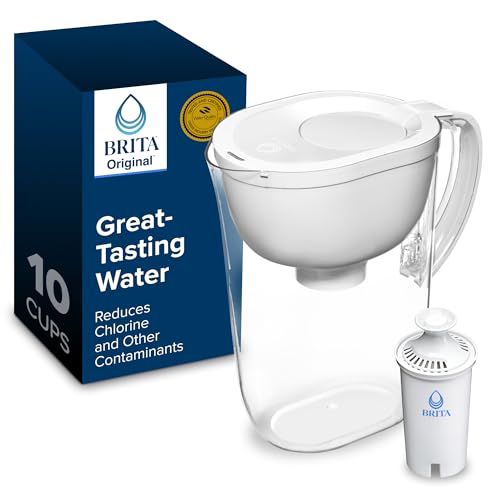
- The BPA-free Everyday water pitcher with filter holds 10 cups of water, enough to fill 3 24-ounce reusable water bottles…
- Get great-tasting water without the waste; by switching to Brita, you can save money and replace 1,800 single-use plasti…
- This space efficient Brita pitcher fits perfectly on refrigerator shelves, features an easy-fill locking lid and is easy…
Why We Recommend It
- Improves water taste.
- Reduces common impurities.
- Easy to refill.
- Cost-effective alternative to bottled water.
- Encourages healthier hydration habits.
💚 Anna’s Healthy Living Tip
Don’t wait until you feel thirsty to drink water. By the time thirst appears, your body may already be mildly dehydrated. Keep a reusable water bottle within reach while working, driving, or relaxing at home. Taking small sips consistently throughout the day is much easier than trying to drink several glasses at once.
Key Takeaways
✔ Water supports digestion, metabolism, and overall health.
✔ Drinking water before meals may help with portion control.
✔ Replace sugary beverages with water or unsweetened drinks whenever possible.
✔ Eat more water-rich fruits and vegetables to support hydration.
✔ Build consistent hydration habits instead of relying on thirst alone.
✔ Staying hydrated improves energy, physical performance, and supports long-term weight management.
5. Exercise Smarter, Not Harder
Exercise is one of the most effective tools for improving your overall health and supporting healthy weight loss, but many people approach it with unrealistic expectations. They believe they need to spend hours at the gym or complete intense workouts every day to see results. In reality, consistency is far more important than intensity. A balanced exercise routine that you can maintain for months or years will always produce better results than an extreme program you abandon after a few weeks.
Exercise helps your body burn calories, improves cardiovascular health, preserves muscle during weight loss, strengthens bones, reduces stress, and boosts confidence. More importantly, regular physical activity complements healthy eating by making it easier to maintain a calorie deficit without feeling overly restricted.
5.1 Focus on Building a Consistent Routine
The best workout is the one you’ll actually continue doing. Instead of searching for the “perfect” exercise plan, choose activities you genuinely enjoy. Walking, cycling, swimming, dancing, strength training, or even gardening all contribute to a healthier lifestyle.
If you’re new to exercise, start with manageable goals. Even 20 to 30 minutes of movement most days of the week is enough to begin improving your health. As your fitness improves, you can gradually increase the duration or intensity of your workouts.
Remember that building a habit should always come before increasing the difficulty.
Simple Ways to Become More Active
- Walk during your lunch break.
- Take the stairs whenever possible.
- Walk while talking on the phone.
- Ride a bicycle for short trips.
- Stretch every hour if you have a desk job.
- Play outdoor games with your children.
- Schedule regular evening walks with family or friends.
Every movement counts, and those small activities add up over time.
💡 Did You Know?
Walking for just 30 minutes a day can improve heart health, burn extra calories, reduce stress, and support healthy weight management without placing excessive strain on your joints.
5.2 Cardio Helps Burn Calories
Cardiovascular exercise, often called cardio, increases your heart rate and helps your body use energy more efficiently. Cardio workouts are excellent for improving endurance while increasing the number of calories you burn throughout the day.
The goal isn’t to perform exhausting workouts every day. Instead, choose activities that fit your lifestyle and gradually increase your endurance.
Great Cardio Exercises
- Brisk walking
- Jogging
- Cycling
- Swimming
- Rowing
- Jump rope
- Hiking
- Dancing
Aim for at least 150 minutes of moderate-intensity aerobic exercise each week, which can easily be divided into 30-minute sessions over five days.
5.3 Don’t Ignore Strength Training
Many people think strength training is only for bodybuilders, but it is one of the most valuable forms of exercise for weight loss. As you lose weight, your body can lose both fat and muscle. Strength training helps preserve lean muscle tissue, which keeps your metabolism healthier and improves your overall body composition.
You don’t need expensive gym equipment to get started. Bodyweight exercises performed at home can be highly effective.
Beginner-Friendly Strength Exercises
- Squats
- Push-ups
- Lunges
- Glute bridges
- Planks
- Dumbbell rows
- Shoulder presses
- Resistance band exercises
Performing strength training two or three times each week is enough for most beginners to experience significant benefits.
5.4 Walking Is One of the Best Exercises for Weight Loss
Walking is often underestimated because it seems too simple. However, it remains one of the safest, most accessible, and most sustainable forms of exercise available.
Unlike high-impact workouts, walking places less stress on your joints while still improving cardiovascular fitness and increasing daily calorie expenditure. It also reduces stress, improves mood, and can easily become part of your daily routine.
Instead of focusing only on structured workouts, look for opportunities to walk more throughout the day. Those extra steps accumulate quickly and contribute significantly to your overall activity level.
💡 Did You Know?
Increasing your daily step count by just 2,000 steps can significantly increase your weekly calorie expenditure while improving cardiovascular health.
5.5 Recovery Is Just as Important as Exercise
Many people believe exercising harder always leads to faster results, but recovery is where your body actually adapts and becomes stronger. Without adequate rest, muscles cannot repair properly, energy levels decline, and motivation often decreases.
Recovery includes getting enough sleep, drinking plenty of water, eating nutritious meals, and allowing your muscles time to recover after intense workouts. Rest days are not signs of weakness—they are an essential part of any successful fitness plan.
Listening to your body helps reduce the risk of injury and allows you to exercise consistently over the long term.
Recommended Amazon Products
1. Fit Simplify Resistance Loop Exercise Bands
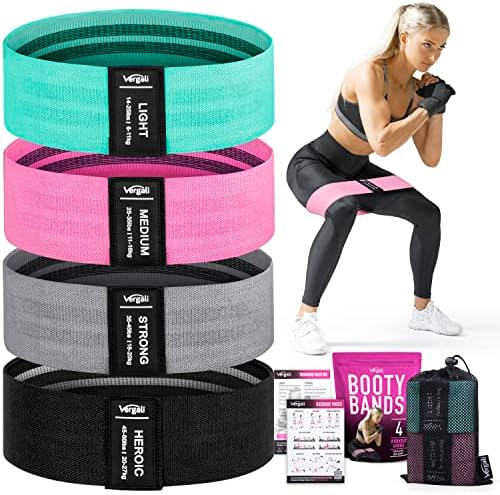
- latex
- Imported
- WON’T PINCH BARE LEGS. This at home workout equipment can be used over clothes or on bare skin without that horrible pin…
Resistance bands provide an affordable way to perform strength-training exercises at home. They’re suitable for beginners and experienced users alike and require very little storage space.
Why We Recommend It
- Suitable for full-body workouts.
- Ideal for beginners.
- Lightweight and portable.
- Supports strength, flexibility, and mobility training.
2. Fitbit Inspire 3 Fitness Tracker

- Inspire 3 is the tracker that helps you find your energy, do what you love and feel your best – all you have to do is we…
- Compatible with Apple iOS 16.4 or higher and Android OS 11.0 or higher
- Move more: Stay motivated with a Daily Readiness Score, Active Zone Minutes, all-day activity tracking and 24/7 heart ra…
Tracking your daily activity can help you stay motivated and accountable. A fitness tracker allows you to monitor steps, heart rate, calories burned, sleep quality, and daily activity levels.
Why We Recommend It
- Tracks daily steps and activity.
- Monitors heart rate.
- Encourages consistent movement.
- Supports long-term fitness goals.
💚 Anna’s Healthy Living Tip
Don’t compare your fitness journey to someone else’s. Focus on becoming a little stronger, healthier, and more active than you were yesterday. Even a 20-minute walk is far more valuable than waiting for the “perfect” workout that never happens. Progress comes from showing up consistently, not from exercising perfectly.
Key Takeaways
✔ Consistency matters more than workout intensity.
✔ Combine cardio and strength training for the best long-term results.
✔ Walking is one of the safest and most effective exercises for weight loss.
✔ Recovery, hydration, and sleep are essential parts of every fitness routine.
✔ Choose activities you genuinely enjoy to build lifelong exercise habits.
✔ Small daily improvements produce lasting health benefits.
6. Prioritize Quality Sleep for Better Weight Loss
Many people focus entirely on diet and exercise while overlooking one of the most important factors affecting weight loss—sleep. Your body performs many essential functions while you sleep, including repairing muscles, balancing hormones, regulating metabolism, and restoring energy levels. When you consistently get enough quality sleep, your body is better equipped to support healthy weight management.
Poor sleep, on the other hand, affects far more than your energy. It increases hunger, reduces self-control, lowers motivation to exercise, and encourages unhealthy food choices. Even the healthiest diet can become difficult to maintain if your body isn’t getting the rest it needs.
6.1 How Sleep Affects Your Weight
Sleep directly influences the hormones responsible for controlling hunger and fullness. When you don’t get enough sleep, your body produces more ghrelin, which increases appetite, while reducing leptin, the hormone that tells your brain you’ve had enough to eat.
As a result, you may find yourself eating larger portions, craving sugary snacks, or reaching for unhealthy comfort foods simply because your body is searching for quick energy.
Sleep deprivation may also:
- Slow decision-making.
- Reduce motivation to exercise.
- Increase fatigue throughout the day.
- Encourage emotional eating.
- Make portion control more difficult.
Over time, these habits can contribute to gradual weight gain.
💡 Did You Know?
People who regularly sleep fewer than seven hours per night are generally more likely to experience weight gain than those who consistently get adequate sleep.
6.2 Create a Healthy Bedtime Routine
Good sleep doesn’t happen by accident. It develops from consistent daily habits that prepare your body for rest.
Going to bed and waking up at the same time each day helps regulate your internal body clock. Over time, this makes falling asleep easier and improves the quality of your sleep.
Simple changes to your evening routine can make a noticeable difference.
Healthy Sleep Habits
- Go to bed at the same time every night.
- Wake up at a consistent time, even on weekends.
- Avoid large meals before bedtime.
- Limit caffeine during the evening.
- Keep your bedroom cool, quiet, and dark.
- Avoid using phones or tablets at least one hour before sleeping.
- Read a book or practice relaxation exercises before bed.
Building these habits may take time, but the long-term benefits are well worth the effort.
6.3 Reduce Screen Time Before Bed
Electronic devices emit blue light, which can interfere with your body’s natural production of melatonin, the hormone responsible for helping you fall asleep.
Scrolling through social media or watching television late at night also keeps your brain mentally active, making it harder to relax.
Instead of ending your day with screens, consider creating a calming bedtime routine that helps your mind and body prepare for sleep.
Some relaxing alternatives include:
- Reading a book.
- Gentle stretching.
- Meditation.
- Deep breathing exercises.
- Listening to calming music.
- Writing in a gratitude journal.
These simple activities encourage better sleep while reducing daily stress.
6.4 Exercise and Sleep Work Together
Regular physical activity not only burns calories but also improves sleep quality. People who exercise consistently often fall asleep faster, sleep more deeply, and wake up feeling more refreshed.
However, very intense workouts immediately before bedtime may make it harder for some people to fall asleep. If this happens, try exercising earlier in the day or choosing lighter evening activities such as walking or yoga.
Finding the right balance between movement and recovery helps your body perform at its best.
Recommended Amazon Products
1. MZOO Memory Foam Sleep Mask
A comfortable sleep mask can help block unwanted light, making it easier to fall asleep and stay asleep, especially if your bedroom isn’t completely dark.

- Hypoallergenic fabric
- Complete Blackout: Innovative contoured design blocks 100% light. Perfect blindfold sleeping eye mask for night shift wo…
- Zero Eye Pressure: Zero Eye Pressure – Specially engineered 3D sleep mask with 16 mm deep eye cups designed to prevent c…
Why We Recommend It
- Blocks ambient light.
- Comfortable memory foam design.
- Adjustable strap.
- Suitable for home and travel.
2. Hatch Restore Sunrise Alarm Clock
A sunrise alarm clock helps create a healthier sleep routine by simulating a natural sunrise instead of waking you with a loud alarm. Many people find this creates a more relaxing start to the day.

- 【Full-Screen Sunrise Simulation for Heavy Sleepers】 This sunrise alarm clock mimics natural dawn, glowing from dark to f…
- 【Dual Alarms, Snooze & Auto-Sync】 Easily set separate Everyday, Weekday, or Weekend routines for your family. Features a…
- 【25 Natural Sleep Sounds & FM Radio】 Fall asleep to 25 natural sounds and white noises with a flexible 10-480 min sleep …
Why We Recommend It
- Gentle sunrise wake-up light.
- Customizable bedtime routines.
- Relaxing sleep sounds.
- Encourages consistent sleep habits.
💚 Anna’s Healthy Living Tip
Treat sleep as an essential part of your weight-loss plan rather than an afterthought. A nutritious diet and regular exercise become much easier to maintain when your body is well rested. Protect your bedtime routine with the same commitment you give to healthy eating and physical activity.
Key Takeaways
✔ Aim for 7–9 hours of quality sleep each night.
✔ Poor sleep can increase hunger and unhealthy cravings.
✔ Follow a consistent bedtime routine.
✔ Reduce screen time before going to bed.
✔ Regular exercise can improve sleep quality.
✔ Better sleep supports better food choices and long-term weight management.
7. Manage Stress to Prevent Emotional Eating
Stress is a natural part of life, but when it becomes constant, it can have a significant impact on your physical health and your ability to lose weight. Many people focus only on calories and exercise while ignoring the emotional factors that influence eating habits. Learning how to manage stress effectively can make healthy eating feel much easier and help you build a more positive relationship with food.
7.1 How Stress Affects Your Body
Whenever you experience stress, your body releases cortisol, often referred to as the stress hormone. In short bursts, cortisol helps you respond to challenges. However, when stress becomes chronic, elevated cortisol levels may increase appetite, encourage cravings for sugary and high-fat foods, and promote fat storage, particularly around the abdomen.
Stress can also reduce motivation, making it more difficult to prepare healthy meals, stay active, or maintain a regular sleep schedule. Over time, these habits can slow your progress and make weight management feel overwhelming.
7.2 Recognize Emotional Hunger
One of the biggest challenges during weight loss is learning the difference between physical hunger and emotional hunger.
Physical hunger develops gradually and can usually be satisfied with almost any nutritious meal. Emotional hunger often appears suddenly and creates strong cravings for specific comfort foods such as chocolate, ice cream, pizza, or chips.
Before reaching for a snack, pause and ask yourself:
- Am I physically hungry?
- When did I last eat?
- Am I eating because I’m stressed, bored, or upset?
- Would I eat a healthy meal right now?
These simple questions can help you make more mindful decisions.
💡 Did You Know?
Emotional eating doesn’t solve stress—it simply postpones it. Once the temporary comfort fades, the original stress often remains.
7.3 Build Healthy Stress-Management Habits
Managing stress doesn’t require complicated techniques. Small daily habits can have a powerful impact on both your mental well-being and your physical health.
Consider incorporating activities such as:
- Daily walks.
- Deep breathing exercises.
- Meditation.
- Journaling.
- Spending time in nature.
- Reading a book.
- Listening to calming music.
- Talking with family or close friends.
- Practicing gratitude.
These activities help lower stress while reducing the urge to eat for emotional reasons.
7.4 Progress Is More Important Than Perfection
Everyone has stressful days. You may occasionally overeat, skip a workout, or make food choices you later regret. That doesn’t mean you’ve failed.
Healthy living isn’t about being perfect every day. It’s about making better decisions more often than not. Instead of criticizing yourself after a setback, focus on getting back to your healthy routine with your very next meal or workout.
Consistency always beats perfection.
Recommended Amazon Products
1. Five Minute Journal
Journaling is a simple way to reduce stress, improve mindfulness, and become more aware of emotional eating triggers.

- Cultivates Gratitude and Mindfulness – Journaling allows you to appreciate your life more for at least 5 minutes a day. …
- Chic Daily Journal With Prompts – Start your day with appreciation and end it with deep reflection using our wellness jo…
- Easy-to-Follow Guided Journal – Don’t know where to start? No worries! Our five minute gratitude journal provides writin…
Why We Recommend It
- Encourages gratitude.
- Promotes positive thinking.
- Easy daily format.
- Supports healthier habits.
2. Gaiam Essentials Yoga Mat
Whether you’re stretching, practicing yoga, or meditating, a comfortable yoga mat provides a dedicated space to relax and unwind.

- Extra-Thick Cushioning for Joint Comfort : Made with 10mm (2/5″) high-density NBR foam, this mat delivers plush cushioni…
- Comfort-Focused Surface for Controlled Movement : Textured foam surface helps reduce slipping on most hard floors during…
- Soft Foam Feel with Easy Care : Crafted from low-odor NBR foam that’s easy to maintain—simply wipe clean with a damp clo…
Why We Recommend It
- Comfortable cushioning.
- Non-slip surface.
- Lightweight and portable.
- Suitable for beginners and experienced users.
💚 Anna’s Healthy Living Tip
Healthy living isn’t measured by one meal, one workout, or one difficult day. It’s measured by the habits you repeat over months and years. Be patient with yourself, celebrate small victories, and remember that lasting change happens one healthy choice at a time.
Key Takeaways
✔ Chronic stress can increase appetite and emotional eating.
✔ Learn to recognize the difference between physical and emotional hunger.
✔ Develop healthy ways to manage stress each day.
✔ Don’t let occasional setbacks derail your progress.
✔ Consistency and self-compassion are essential for lasting success.
8. Eat More Fiber to Stay Full Longer
Fiber is one of the most valuable nutrients for healthy and sustainable weight loss, yet many people consume far less than the recommended daily amount. Unlike other carbohydrates, fiber isn’t fully digested by your body. Instead, it moves slowly through your digestive system, helping you feel fuller for longer while supporting healthy digestion and stable blood sugar levels.
A diet rich in fiber naturally reduces hunger without making you feel deprived. Rather than focusing on eating less, increasing your fiber intake allows you to eat satisfying meals while naturally reducing unnecessary snacking throughout the day.
8.1 Why Fiber Is Important for Weight Loss
Foods rich in fiber require more chewing, digest more slowly, and remain in your stomach longer than highly processed foods. This helps regulate appetite and reduces the likelihood of overeating. Fiber also slows the absorption of sugar into your bloodstream, preventing sudden spikes and crashes in blood sugar that often trigger cravings.
In addition to supporting weight management, fiber contributes to better digestive health, improved cholesterol levels, and a healthier gut microbiome.
Benefits of Eating More Fiber
A fiber-rich diet may help:
- Keep you full for longer.
- Improve digestion.
- Support regular bowel movements.
- Reduce unhealthy cravings.
- Promote stable blood sugar levels.
- Support heart health.
- Improve gut health.
Choosing fiber-rich foods is one of the easiest ways to improve both your nutrition and your overall health.
💡 Did You Know?
Adults should aim for approximately 25–38 grams of fiber per day, yet many people consume less than half of that amount.
8.2 The Best Natural Sources of Fiber
The healthiest sources of fiber are whole, minimally processed foods. These foods also provide essential vitamins, minerals, antioxidants, and plant compounds that support long-term health.
High-Fiber Foods to Include
Add more of these foods to your meals:
- Oats
- Apples
- Pears
- Berries
- Broccoli
- Carrots
- Sweet potatoes
- Lentils
- Chickpeas
- Black beans
- Brown rice
- Quinoa
- Chia seeds
- Flaxseeds
- Almonds
Eating a wide variety of fiber-rich foods provides your body with different nutrients while making meals more satisfying.
8.3 Increase Fiber Gradually
Although fiber is extremely beneficial, increasing your intake too quickly may cause temporary bloating or digestive discomfort. The best approach is to increase your fiber gradually while also drinking enough water throughout the day.
For example, begin by adding one extra serving of vegetables to dinner, replacing white bread with whole-grain bread, or choosing fruit instead of sugary desserts. These small changes allow your digestive system to adjust comfortably.
Remember that fiber and water work together. Without adequate hydration, increasing fiber intake may actually contribute to constipation rather than improving digestion.
8.4 Make Fiber Part of Every Meal
Instead of thinking about fiber as something you only get from cereal, try including it throughout your day.
A simple example might look like this:
- Breakfast: Oatmeal topped with berries and chia seeds.
- Lunch: Grilled chicken with brown rice and steamed vegetables.
- Snack: An apple with a handful of almonds.
- Dinner: Baked salmon with roasted vegetables and quinoa.
This approach naturally increases your fiber intake while creating balanced, satisfying meals.
Recommended Amazon Products
1. Organic Chia Seeds
Chia seeds are an excellent source of fiber, plant-based omega-3 fatty acids, and antioxidants. They can easily be added to smoothies, yogurt, oatmeal, or salads.
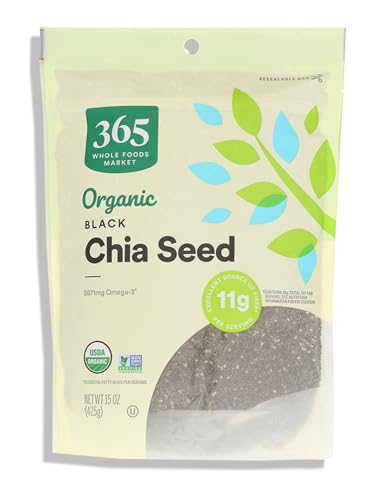
- 15 ounce bag of organic black chia seeds
- Rich in essential fatty acids and fiber
- Perfect for smoothies and baking
Why We Recommend It
- Naturally high in fiber.
- Rich in omega-3 fatty acids.
- Easy to add to everyday meals.
- Supports digestive health.
2. Old-Fashioned Rolled Oats
Rolled oats are a nutritious breakfast option that provides fiber, complex carbohydrates, and long-lasting energy. They’re versatile, affordable, and easy to prepare.
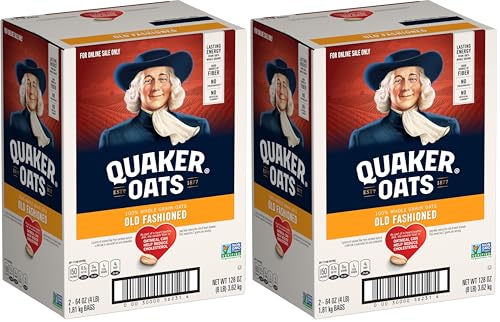
- The information below is per-pack only
- Heart Healthy Whole Grains: Quaker Oats are 100 percent Whole Grains; Diets rich in whole grain foods and other plant fo…
- Good Source of Fiber: Quaker Oats provide a good source of fiber to support a healthy digestive system; See nutrition fa…
Why We Recommend It
- High in soluble fiber.
- Supports heart health.
- Keeps you full for longer.
- Great for breakfast or healthy snacks.
💚 Anna’s Healthy Living Tip
Don’t focus on counting every gram of fiber. Instead, challenge yourself to include at least one fruit or vegetable with every meal. This simple habit naturally increases your fiber intake while making your plate more colorful, nutritious, and satisfying.
Key Takeaways
✔ Fiber helps you stay full for longer.
✔ Whole foods are the best natural source of dietary fiber.
✔ Increase your fiber intake gradually.
✔ Drink enough water when eating more fiber.
✔ Include fruits, vegetables, whole grains, and legumes every day.
✔ Small dietary improvements lead to lasting results.
9. Practice Mindful Eating and Control Portion Sizes
Healthy weight loss isn’t only about what you eat—it’s also about how you eat. In today’s busy world, many meals are eaten while watching television, scrolling through social media, working on a computer, or driving. These distractions make it easy to consume more food than your body actually needs.
Mindful eating encourages you to slow down, pay attention to your hunger signals, and truly enjoy your meals. This simple habit can improve portion control while making eating a more satisfying experience.
9.1 Eat Slowly and Listen to Your Body
Your brain needs approximately 20 minutes to recognize that your stomach is full. Eating too quickly often means consuming extra calories before your body has time to signal satisfaction.
Taking smaller bites, chewing thoroughly, and putting your utensils down between bites allows your body enough time to recognize fullness.
Instead of asking, “Is my plate empty?”, ask yourself:
“Am I still hungry?”
This small change can prevent overeating without requiring strict dieting.
💡 Did You Know?
People who eat slowly often consume fewer calories because they give their body’s natural fullness signals enough time to work.
9.2 Learn the Difference Between Hunger and Cravings
Physical hunger develops gradually and can usually be satisfied with a balanced meal. Cravings, however, tend to appear suddenly and often involve a strong desire for specific foods high in sugar, salt, or fat.
The next time you feel like snacking, pause for a moment and ask yourself:
- Am I actually hungry?
- Did I drink enough water today?
- Am I eating because I’m bored?
- Am I feeling stressed or anxious?
- Would I eat a healthy meal right now?
Answering these questions honestly can help you make healthier decisions.
9.3 Portion Control Doesn’t Mean Tiny Meals
Many people associate portion control with feeling hungry all the time. In reality, portion control is about eating the right amount of food for your body’s needs while still enjoying satisfying meals.
Using smaller plates, serving food in the kitchen instead of placing large dishes on the table, and avoiding eating directly from packages can all make portion control much easier.
Healthy eating should leave you feeling comfortably satisfied—not overly full or still hungry.
Recommended Amazon Products
1. Portion Control Plate
A portion control plate visually divides your meal into vegetables, protein, and healthy carbohydrates, making balanced eating simple without counting calories.

- MESS-FREE SUCTION PLATES FOR TODDLERS – Voted Best Baby Suction Plate by The Bump in 2023, this set of 3 WeeSprout silic…
- FOOD GRADE SILICONE – Our plates are food grade – there are no fillers. Ultra-durable and unbreakable silicone is the id…
- FOUR POINT SUCTION KEEPS YOUR CHILD’S PLATE IN PLACE – Four suction points keep your plate securely in place on any flat…
Why We Recommend It
- Easy portion guidance.
- Encourages balanced meals.
- Great for beginners.
- Dishwasher safe.
2. Glass Meal Prep Containers
Preparing meals in individual containers helps prevent oversized portions while making healthy eating more convenient throughout the week.
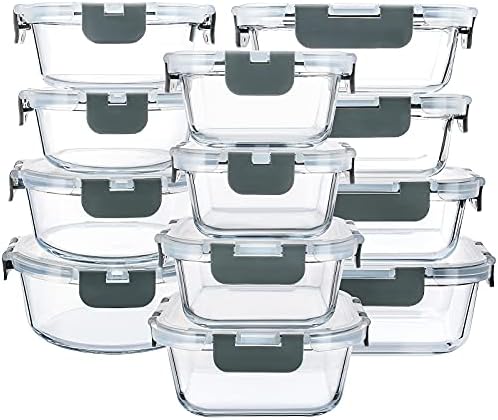
- 24-PIECE FOOD CONTAINER SET: 12 Containers with 12 lids with multiple sizes and shapes to fulfill your storage requireme…
- PREMIUM BOROSILICATE GLASS:Our glass storage containers are made from premium borosilicate glass, which is stronger than…
- AIRTIGHT SMART LOCKING LIDS: MCIRCO Glass food storage containers use snap lock lids that comes with silicone seals to m…
Why We Recommend It
- Supports portion control.
- Leak-resistant design.
- Reusable and durable.
- Ideal for meal planning.
💚 Anna’s Healthy Living Tip
Healthy eating isn’t about finishing everything on your plate. It’s about giving your body the nourishment it needs and stopping when you’re comfortably satisfied. Learning to recognize fullness is one of the most valuable skills you can develop for lifelong weight management.
Key Takeaways
✔ Eat slowly and enjoy every meal.
✔ Learn the difference between hunger and cravings.
✔ Practice mindful eating without distractions.
✔ Use portion control instead of restrictive dieting.
✔ Build habits that you can maintain for life.
10. Build Healthy Habits That Last a Lifetime
Losing weight is one achievement; maintaining that weight loss is another. Many people successfully lose weight for a few weeks or months, only to regain it because they return to old habits. This is why successful weight management should never be viewed as a temporary diet. Instead, it should become a healthier lifestyle that you genuinely enjoy and can maintain for years.
The most successful people are not those who follow the strictest diets. They are the ones who consistently make good decisions most of the time. They understand that occasional treats, vacations, celebrations, and busy weeks are all part of life. Rather than giving up after a setback, they simply return to their healthy routine.
10.1 Set Realistic and Achievable Goals
One of the biggest reasons people lose motivation is because they expect dramatic results in a very short time. Healthy weight loss is usually gradual, and that’s perfectly normal. Losing weight slowly gives your body time to adapt while making it easier to maintain your progress.
Instead of focusing only on the number on the scale, create goals that you can control.
Examples of Healthy Goals
- Walk 30 minutes five days a week.
- Drink two liters of water every day.
- Eat vegetables with every lunch and dinner.
- Prepare healthy meals on weekends.
- Sleep at least seven hours each night.
- Exercise three times each week.
These goals focus on building habits rather than chasing quick results.
💡 Did You Know?
Research consistently shows that people who focus on healthy habits instead of rapid weight loss are more likely to maintain their results over the long term.
10.2 Track Your Progress Beyond the Scale
While weighing yourself can be helpful, it shouldn’t be the only way you measure progress. Your weight naturally changes from day to day due to hydration, digestion, and hormonal fluctuations. Relying only on the scale can sometimes become discouraging even when you’re making excellent progress.
Instead, pay attention to the many other signs that your health is improving.
Better Ways to Measure Progress
Notice whether you:
- Have more energy throughout the day.
- Sleep better at night.
- Feel stronger during workouts.
- Walk longer distances without getting tired.
- Wear clothes more comfortably.
- Experience fewer cravings.
- Feel more confident and motivated.
These improvements are often just as important as the number on the scale.
10.3 Prepare for Challenges
Every weight-loss journey includes obstacles. Holidays, birthdays, vacations, stressful workdays, and family gatherings can all interrupt your routine. The difference between success and failure is not avoiding these situations—it’s learning how to respond to them.
If you overeat at one meal, don’t let it turn into an unhealthy week. Accept what happened, enjoy the occasion, and continue with your normal healthy routine at your very next meal.
Remember, consistency is built over months and years, not in a single day.
Common Challenges and Practical Solutions
| Challenge | Healthy Solution |
|---|---|
| Busy schedule | Prepare meals in advance. |
| Restaurant dining | Choose grilled foods and vegetables when possible. |
| Late-night cravings | Drink water first or choose fruit or Greek yogurt. |
| Stressful days | Take a walk or practice deep breathing instead of emotional eating. |
| Lack of motivation | Remember why you started and focus on your long-term health goals. |
Planning ahead makes healthy decisions much easier when life becomes busy.
10.4 Build an Environment That Supports Success
Your environment has a powerful influence on your daily decisions. If your kitchen is filled with sugary snacks and processed foods, making healthy choices becomes much more difficult. On the other hand, keeping nutritious foods easily available encourages better habits without relying entirely on willpower.
Small changes to your environment can make healthy living feel almost automatic.
Create a Healthier Home
Consider these simple ideas:
- Keep fresh fruit on the kitchen counter.
- Store healthy snacks at eye level.
- Prepare vegetables in advance for quick meals.
- Keep a reusable water bottle nearby.
- Avoid buying foods you know you struggle to control.
- Plan your grocery shopping before you leave home.
Your surroundings should make healthy choices easier—not harder.
10.5 Stay Motivated Without Being Perfect
Motivation naturally comes and goes. Some days you’ll feel excited to exercise, while other days you’ll want to stay on the couch. This is completely normal. Successful people don’t rely on motivation alone—they rely on habits.
Healthy habits continue even when motivation is low because they’ve become part of everyday life.
Don’t expect perfection. There will be birthdays, vacations, celebrations, and weekends where your eating isn’t perfect. Enjoy those moments without guilt, then return to your healthy routine the next day.
Progress is never ruined by one meal. It is shaped by the choices you make consistently over time.
Recommended Amazon Products
1. RENPHO Smart Body Weight Scale
Tracking more than just body weight can provide additional motivation during your fitness journey. Smart scales measure weight while also tracking trends over time through a mobile app.

- Smart Measurement: Upgraded from our popular EB9380H body weight scale model, this scale comes with a 11×11 inch compact…
- Immersive Experience: Sync data with fitness apps like Apple Health, Google Fit, FitBit, Samsung Health, and MyFitnessPa…
- One Scale for the Whole Family: Use Baby Mode to conveniently weigh and track your baby or pet’s growth. With unlimited …
Why We Recommend It
- Easy-to-read digital display.
- Syncs with popular health apps.
- Tracks long-term progress.
- Encourages consistency.
2. Clever Fox Wellness Planner
A wellness planner helps organize meals, workouts, water intake, sleep, and personal goals all in one place. Writing down your progress makes it easier to identify patterns and celebrate small victories.

- ✓ GET ORGANIZED & ACHIEVE YOUR GOALS – Clever Fox Planner PRO will help you create a vision for your life, define your s…
- ✓ STAY FOCUSED & INCREASE PRODUCTIVITY – At Clever Fox, we needed a system to stay focused and make the most of our time…
- ✓ FREE QUICK START GUIDE & STICKERS – This planner and organizer for women and men comes with a detailed step-by-step il…
Why We Recommend It
- Helps build healthy routines.
- Tracks nutrition and fitness goals.
- Encourages accountability.
- Easy daily planning format.
💚 Anna’s Healthy Living Tip
Don’t ask yourself, “How quickly can I lose weight?” Instead, ask “Can I see myself following these habits one year from now?” If the answer is yes, you’re building a lifestyle—not just following another diet. Long-term success comes from making healthy choices that fit naturally into your everyday life.
Key Takeaways
✔ Focus on building habits rather than chasing quick results.
✔ Measure progress in more ways than just body weight.
✔ Prepare for challenges instead of fearing them.
✔ Create an environment that supports healthy choices.
✔ Accept setbacks and return to your routine immediately.
✔ Sustainable habits always outperform temporary diets.
Final Thoughts
Losing weight naturally isn’t about finding a miracle diet or following a fitness trend that promises instant results. It’s about making consistent choices that improve your health one day at a time. Every nutritious meal, every walk, every workout, every good night’s sleep, and every healthy decision contributes to the person you’re becoming.
There will be days when everything goes according to plan and days when life gets busy. You may miss a workout, enjoy a special meal with your family, or struggle to stay motivated. That’s completely normal. What matters most is your ability to return to your healthy routine without guilt or frustration.
Remember that successful weight loss is not measured by perfection—it’s measured by consistency. Small habits practiced every day create extraordinary results over time. Instead of chasing rapid weight loss, focus on building a healthier lifestyle that you genuinely enjoy. The goal isn’t simply to lose weight; it’s to improve your energy, protect your health, reduce your risk of chronic disease, and feel more confident in your everyday life.
As you continue your journey, celebrate every milestone, no matter how small. Walking an extra mile, choosing water over soda, cooking a healthy dinner, or getting enough sleep are all meaningful victories. Together, these choices create lasting change.
Healthy living is not a destination. It’s a lifelong commitment to taking better care of yourself, one decision at a time.
💚 Anna’s Healthy Living Tip
Don’t wait for Monday, the beginning of next month, or the start of a new year to begin living healthier. Your next healthy choice can happen today. Whether it’s drinking an extra glass of water, taking a short walk, or preparing a balanced meal, every positive decision moves you closer to your goals. Progress begins with the choices you make right now.
Frequently Asked Questions (FAQs)
1. What is the healthiest way to lose weight naturally?
The healthiest approach is to combine a balanced diet with regular physical activity, quality sleep, proper hydration, and stress management. Aim for gradual weight loss by creating sustainable habits rather than following restrictive diets that are difficult to maintain.
2. How much weight can I safely lose in a week?
For most adults, losing 1–2 pounds (0.5–1 kilogram) per week is considered a healthy and sustainable rate. Gradual weight loss helps preserve muscle mass and is more likely to stay off long term.
3. Do I need to stop eating carbohydrates to lose weight?
No. Your body needs carbohydrates for energy. Instead of eliminating them, choose complex carbohydrates such as oats, brown rice, quinoa, sweet potatoes, and whole-grain bread while limiting refined carbohydrates and added sugars.
4. Which foods help reduce hunger naturally?
Foods rich in protein and fiber are the most satisfying. Excellent choices include lean meats, eggs, Greek yogurt, beans, lentils, vegetables, fruits, oats, nuts, and seeds.
5. Is walking enough for weight loss?
Yes. Walking is one of the safest and most effective forms of exercise for improving overall health and supporting weight loss. Combining regular walking with strength training and healthy eating provides even better long-term results.
6. How important is sleep during weight loss?
Sleep is extremely important. Poor sleep can increase hunger, reduce energy levels, increase cravings, and make healthy choices more difficult. Most adults should aim for 7–9 hours of quality sleep each night.
7. Can drinking more water help me lose weight?
Water doesn’t directly burn body fat, but staying hydrated supports digestion, exercise performance, and appetite control. Drinking water instead of sugary beverages also helps reduce unnecessary calorie intake.
8. Should I take weight-loss supplements?
Most people can lose weight successfully without supplements. Focus first on improving your diet, exercise routine, sleep, and lifestyle habits. If you’re considering supplements, consult your healthcare provider to determine whether they’re appropriate for your individual needs.
9. How long does it take to see results?
Everyone’s body responds differently. Some people notice increased energy and improved fitness within a few weeks, while visible weight changes may take longer. Focus on consistency rather than comparing your progress to others.
10. What is the biggest mistake people make when trying to lose weight?
One of the most common mistakes is trying to change everything at once. Extreme diets and unrealistic workout routines often lead to frustration and burnout. Long-term success comes from making small, sustainable improvements that become part of your daily lifestyle.
Stay Connected with Anna
Thank you for taking the time to read this guide. I hope it has given you practical knowledge, realistic strategies, and the confidence to begin—or continue—your healthy weight-loss journey.
At Life Essentials By Anna, my goal is to help you make informed decisions that improve your everyday life. Whether you’re looking for health tips, home inspiration, beauty recommendations, travel advice, kitchen essentials, or the latest technology, you’ll find carefully researched articles designed to make healthy and enjoyable living simpler.
If you enjoyed this article, I’d love for you to continue exploring the blog. Be sure to check out our latest guides, discover thoughtfully selected product recommendations, and join our growing community of readers who are passionate about creating healthier, happier lifestyles.
Stay connected with Anna for more expert tips, practical guides, honest product recommendations, and everyday inspiration to help you live your best life.
